_

Tangible Dynamics in Architecture: Designing for material, structural and environmental performance optimisation

_
_
Tangible Dynamics in Architecture: Designing for material, structural and environmental performance optimisation

Tangible Dynamics in Architecture: Designing for material, structural and environmental performance optimisation

On demand
1 Formal CPD Points


Overview

This session opens with a short statement on the status quo of the environmental challenges in construction, and the imperative for architects to embrace, achieve and lead the necessary paradigm shift to address these at speed. It reviews research into the application of computation in novel approaches to the use of otherwise waste timber, minimising material use in freeform structures, how to make concrete carbon neutral or even carbon negative. It draws on history, specifically the work of the Architect Antoni Gaudi, and the how his extraordinary originality and ingenuity have fed contemporary approaches to digital structural and environmental performance optimisation and fabrication. Research linking surface airflow with novel approaches to tiling and cladding design is complemented by the story of acoustic research leading to novel acoustic interiors.

This session is developed and delivered in collaboration with Arch_Manu, the ARC Centre for Next-Gen Architectural Manufacturing.

NSCA 2021 Performance Criteria

This session will deliver outcomes related to the following Competencies from the 2021 National Standard of Competency for Architects:

PC28 Be able to draw on knowledge from building sciences and technology, environmental sciences and behavioural and social sciences as part of preliminary design research and when developing the conceptual design to optimise the performance of the project.

PC31 Be able to identify, analyse and integrate information relevant to environmental sustainability – such as energy and water consumption, resources depletion, waste, embodied carbon and carbon emissions – over the lifecycle of a project.

PC33 Be able to investigate, coordinate and integrate sustainable environmental systems – including water, thermal, lighting and acoustics – into the conceptual design.
 

Learning Outcomes

At the end of this session participants should be able to:

  • Comprehend the magnitude and urgency of the environmental challenges in the construction industry.
  • Design to minimise material use and deploy waste materials through digital optimisation approaches.
  • Apply architectural research into aero- and thermo- and acoustic dynamics to optimise design performance.


Speakers


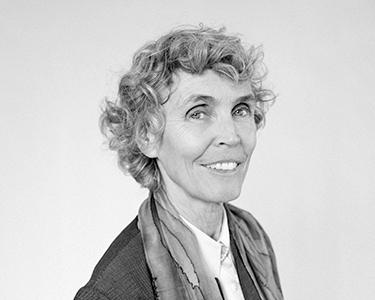
Jane Burry
Professor and Head of School of Architecture and Civil Engineering, University of Adelaide

Professor Jane Burry is a former architect, Head of School, Architecture and Civil Engineering at University of Adelaide, Australia, Dean Elect of the School of Civil Engineering and Construction Management, Adelaide University (opening 2026), Deputy Director of the Australian Research Council Training Centre for Next Gen Architectural Manufacturing, and President of Australian Deans of the Built Environment and Design and visiting Faculty at the Institute for Advanced Architecture (IAAC) in Barcelona. Jane has practiced, researched, and taught internationally, including involvement as a project architect in the technical office at Antoni Gaudí’s Sagrada Família Basilica with partner Professor Mark Burry.
As lead author of The New Mathematics of Architecture, editor of Designing the Dynamic, and co-author of Prototyping for Architects, and The Sound of Space, and more than 150 other publications. Her research has spanned computational design, geometrical and environmental design modelling, simulation, optimisation and prototyping in architecture.


Price

Members: $49
Non-Members: $98

 
_