Aligning Architecture & Engineering: Smarter Stair Pressurisation Design
Live webinar (available on-demand following the live session)
Tuesday 16 June 2026
1pm – Melbourne, Sydney
12:30pm – Adelaide, Darwin
11am – Perth
1 Formal CPD Point
Overview
This session explores how stair pressurisation systems—while often treated as purely technical—have a direct influence on architectural planning, spatial efficiency, and occupant life safety.
Drawing on real project experience, the session unpacks why many systems fail in practice and how early coordination between architects, fire engineers and mechanical services engineers can significantly improve outcomes.
Key themes include integrating fire-isolated exits within building layouts, managing spatial and façade impacts of relief systems, and designing robust, buildable solutions that perform reliably over time.
Your Facilitator
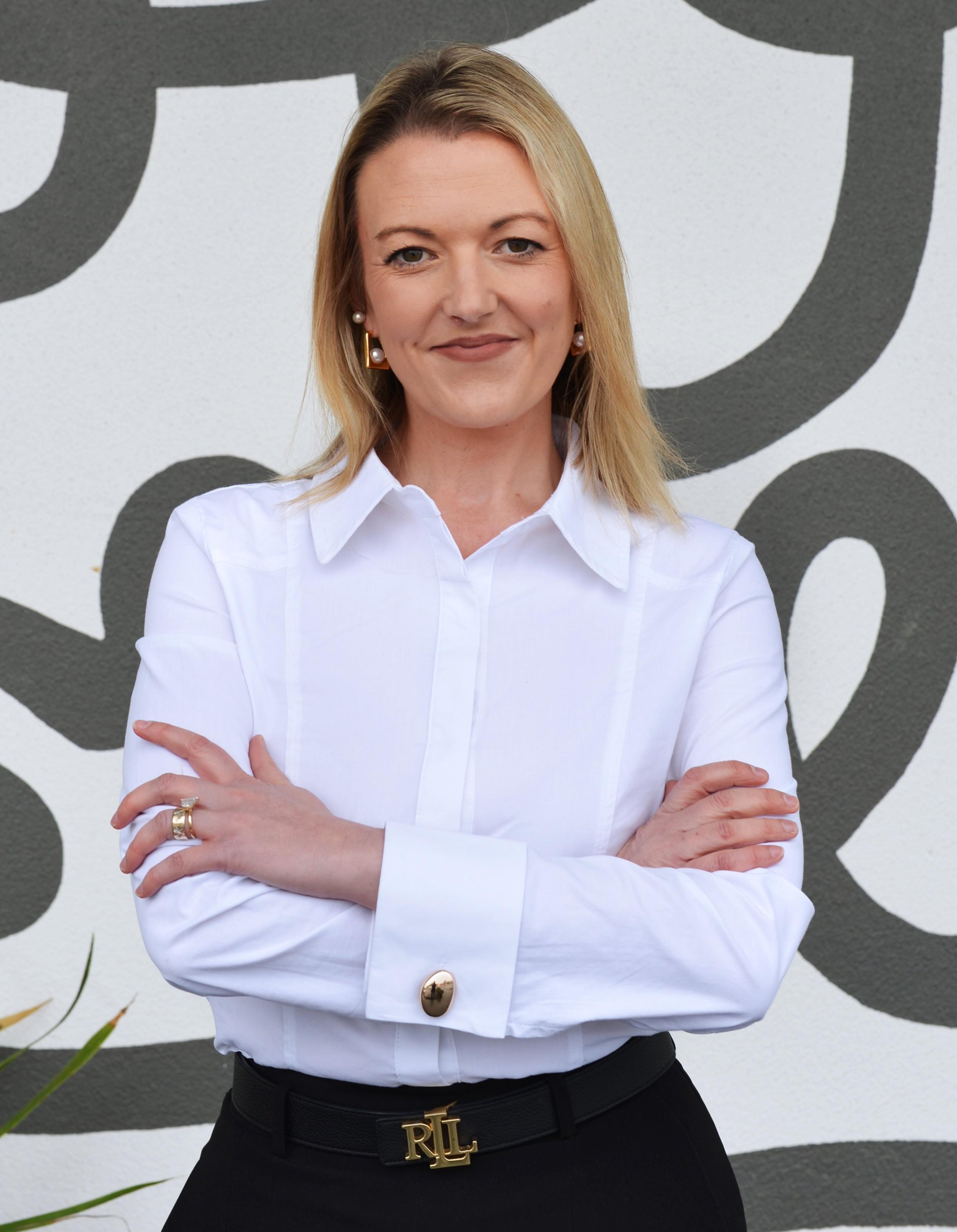 Candice Halliday - Principal Architect
Candice Halliday is the Principal Architect and founder of CNA Design Studio, based in regional New South Wales. With over a decade of experience, she is known for designing sustainable, inclusive spaces that respond to both people and place
Candice Halliday - Principal Architect
Candice Halliday is the Principal Architect and founder of CNA Design Studio, based in regional New South Wales. With over a decade of experience, she is known for designing sustainable, inclusive spaces that respond to both people and place. Her work spans residential, education, health, aged care, commercial, and interior design sectors, shaped by her time in diverse practices across Canberra and Newcastle.
A registered Building Design Practitioner and specialist in Specialist Disability Accommodation (SDA), Candice is a national advocate for accessible, high-performance design. As the 2026 National President of the Australian Institute of Architects’ Emerging Architects and Graduates Network (
EmAGN), she champions equity, mentorship, and regional engagement.
Her practice reflects a commitment to circular economy principles, collaborative industry leadership, and architecture that fosters community, resilience, and innovation.
Your Presenters

Mathew Freeman - Fire Engineer
Mathew brings over 18 years of Fire Engineering experience to his role as Technical Development Lead for Australia. Having grown through various positions at Holmes, including Branch Manager for Sydney and Melbourne, he combines technical expertise with strong project and team management skills. Mathew led the growth of not only the fire engineering team but also the management of project delivery, costs
and required company resources.
Mathew’s primary role
on projects is the development, justification and documentation of Performance Based Fire Engineering Solutions. His extensive portfolio includes a variety of projects ranging from small residential dwellings to large multi-use developments where he has delivered complex fire engineering solutions. His experience also encompasses, health, residential, commercial, retail, industrial and infrastructure projects in both the private and public sector.
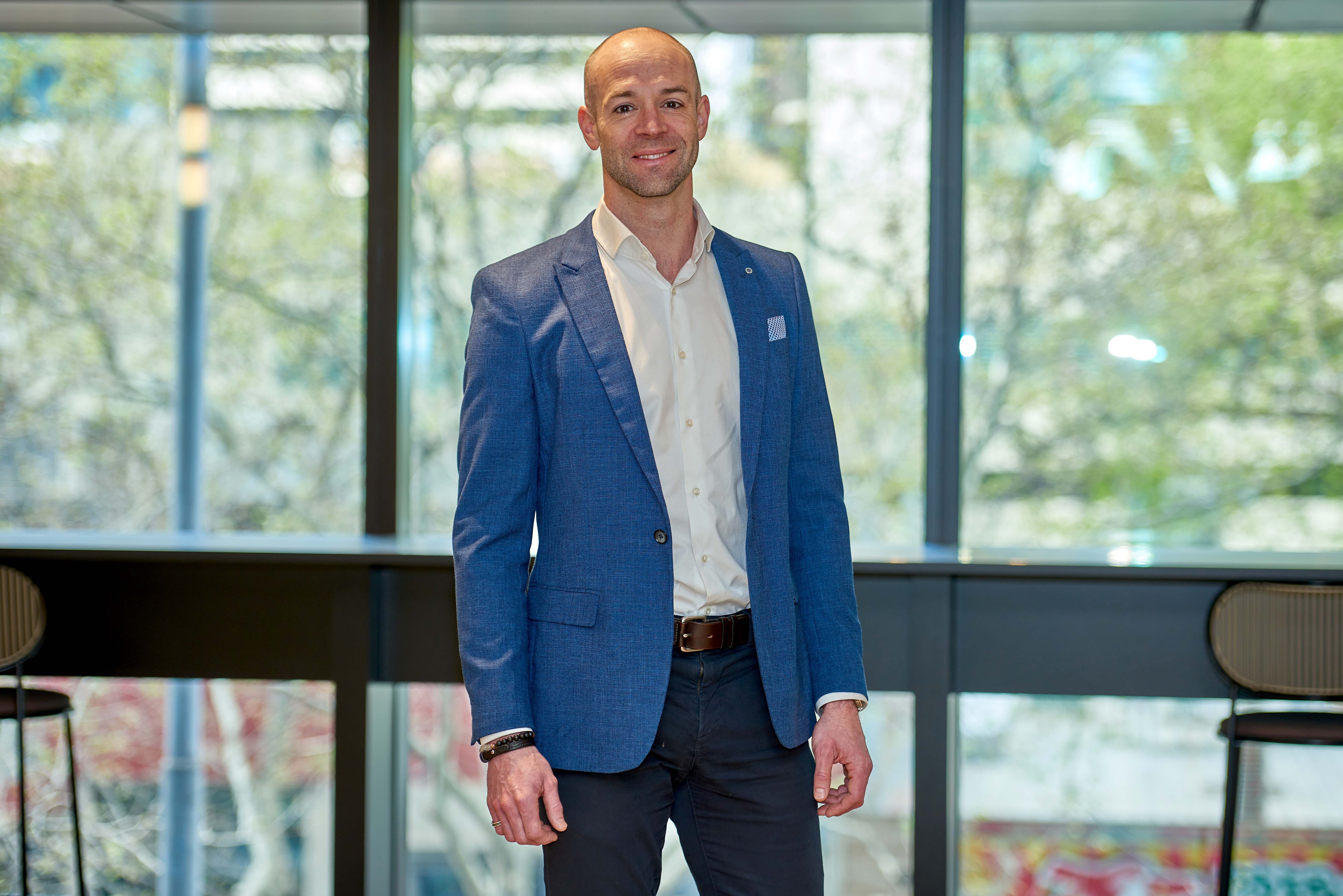 Cowan Ashton-Taylor - Mechanical Engineer
Cowan Ashton-Taylor is an Executive Director of Lucid Consulting, Fellow of Engineers Australia and Chartered Mechanical Services Engineer with over 24 years’ experience delivering complex HVAC, industrial air pollution control and large-scale thermal plant infrastructure projects across Australia, South-East Asia and Europe. He is a recognised technical leader in mechanical services engineering, specialising in high-performance environmental control systems for laboratories, healthcare, data centres, food production
Cowan Ashton-Taylor - Mechanical Engineer
Cowan Ashton-Taylor is an Executive Director of Lucid Consulting, Fellow of Engineers Australia and Chartered Mechanical Services Engineer with over 24 years’ experience delivering complex HVAC, industrial air pollution control and large-scale thermal plant infrastructure projects across Australia, South-East Asia and Europe. He is a recognised technical leader in mechanical services engineering, specialising in high-performance environmental control systems for laboratories, healthcare, data centres, food production and other mission-critical environments.
He brings extensive experience in delivering projects within live operational settings, including major hospital redevelopments,
laboratory and containment facilities, and Defence infrastructure, where reliability, staged implementation and risk management are critical. Cowan has also served as an Independent Commissioning Agent across multiple sectors and is highly skilled in navigating codes, standards and performance-based design to resolve complex challenges, particularly in system integration, ventilation criticality, pressure regimes and commissioning of high-risk systems.
Learning Outcomes
At the end of this session, participants will be able to:
- Understand the role of stair pressurisation systems in protecting egress paths and supporting life safety in buildings
- Identify when pressurisation systems are required under NCC and As1668.1 and how this influences building configuration
- Recognise how architectural decisions (eg. floor plates, door configurations, facade interfaces, number of carpark levels) impact system performance
- Apply coordination strategies that minimise spatial impacts such as as oversized shafts, ceiling constraints and facade penetrations
- Appreciate the importance of simply, reliable system design to ensure long-term building performance and maintainability
NSCA 2021 Performance Criteria
PRACTICE MANAGEMENT AND PROFESSIONAL CONDUCT
PC5 Be able to apply essential elements of a client architect agreement across the range of procurement methods in relation to their appropriateness to the scale and type of the project, including alternatives for partial services and the engagement of secondary and sub-consultants.
PC7 Apply and follow processes for clear and consistent communication with clients and relevant stakeholders throughout the project, including obtaining approvals from clients and stakeholders.
PC9 Be able to apply contemporary and emerging building procurement methods. This involves
identifying the most appropriate form of delivery for a project, including risks, mitigation and adaptation strategies, and integrating appropriate construction contracts and consultancy contracts and/or agreements.
Price
Members: $79
Student members: FREE
Non-members: $149
FAQs
What Do I Do Next?
- You will receive an automated registration email upon purchase. Follow the link in this email to take you to the course.
- Accept the T&Cs if it is your first time on the online platform and hit “my dashboard” to find your purchased course.
Cancellations and Refunds
Generally, the Institute will not agree to a refund if the request is received less than 14 days before the event starts, unless otherwise stated in the cancellations and refunds policy.