Design Choices | Shadow House: Enhancing Through Adaption not Addition
Live webinar (available on-demand following the live session)
1PM, AEST
Wednesday, 26 August 2026
1 Formal CPD Points
Overview
This session explores how to design houses with clarity, depth and emotional resonance, and how those qualities can contribute to award-winning residential design.
Using GROTTO Studio’s residential work as a reference point, the session will unpack how strong houses are developed through a combination of intuition, rigorous design thinking, site response, atmosphere, material judgement and practical delivery. The presentation will look beyond the finished image of an awarded project and examine the decisions, constraints and processes that sit behind it.
The session will consider how an award-worthy house emerges from a careful reading of place, a disciplined brief, spatial clarity, material atmosphere, and the ability to hold a strong design idea through documentation, consultant coordination, approvals and construction.
NSCA 2021 Performance Criteria
PROJECT INITIATION AND CONCEPTUAL DESIGN
- PC18: Be able to apply creative imagination, design precedents, research, emergent knowledge and critical evaluation in formulating and refining concept design options, including the exploration of three dimensional form and spatial quality.
- PC24: Be able to prepare and analyse project development options in response to a project brief – its objectives, budget, user intent and built purpose, risk and timeframes, including environmental sustainability considerations.
- PC25: Be able to draw on knowledge from the history and theory of architecture as part of preliminary design research and when developing the conceptual design.
- PC26: Be able to undertake site, cultural and contextual analysis as part of preliminary design research. PC27: Understand how to embed the knowledge, worldviews and perspectives of Aboriginal and Torres Strait Islander Peoples, shared through engagement processes, into the conceptual design in a meaningful, respectful and appropriate way.
- PC28: Be able to draw on knowledge from building sciences and technology, environmental sciences and behavioural and social sciences as part of preliminary design research and when developing the conceptual design to optimise the performance of the project.
- PC31: Be able to identify, analyse and integrate information relevant to environmental sustainability – such as energy and water consumption, resources depletion, waste, embodied carbon and carbon emissions – over the lifecycle of a project.
- PC34: Communicate conceptual design proposals and associated information to client, stakeholders and communities using appropriate and culturally responsive methods appropriate to different audiences.
DETAILED DESIGN AND CONSTRUCTION DOCUMENTATION
- PC36: Be able to apply creative imagination, design precedents, emergent knowledge, critical evaluation and continued engagement with Aboriginal and Torres Strait Islander Peoples to produce a coherent project design. This should be resolved in terms of supporting health and wellbeing outcomes for Country, site planning, formal composition, spatial planning and circulation as appropriate to the project brief and all other factors affecting the project.
- PC39: Be able to integrate the material selection, structural and construction systems established in the conceptual design into the detailed design and documentation.
- PC45: Be able to nominate and integrate quality and performance standards with regard to selected materials, finishes, fittings, components and systems, considering the impact on Country and the environment, and the whole life carbon impact of the project. This includes integrating life cycle assessments and other expertise and advice from consultants.
Learning Outcomes
At the end of this session, participants will be able to:
-
Identify the key design drivers that contribute to strong, enduring and award-worthy residential design.
-
Understand how intuition, precedent, site analysis and client briefing can be translated into a clear conceptual design strategy.
-
Recognise the role of design judgement, authorship and critical evaluation in shaping a house from initial idea through to resolved proposal.
-
Recognise the importance of atmosphere, material selection, passive design, landscape response and detailing in residential design quality.
-
Understand how a strong design idea can be carried through briefing, concept design, documentation and delivery while balancing budget, approvals, consultants and construction constraints.
Speaker
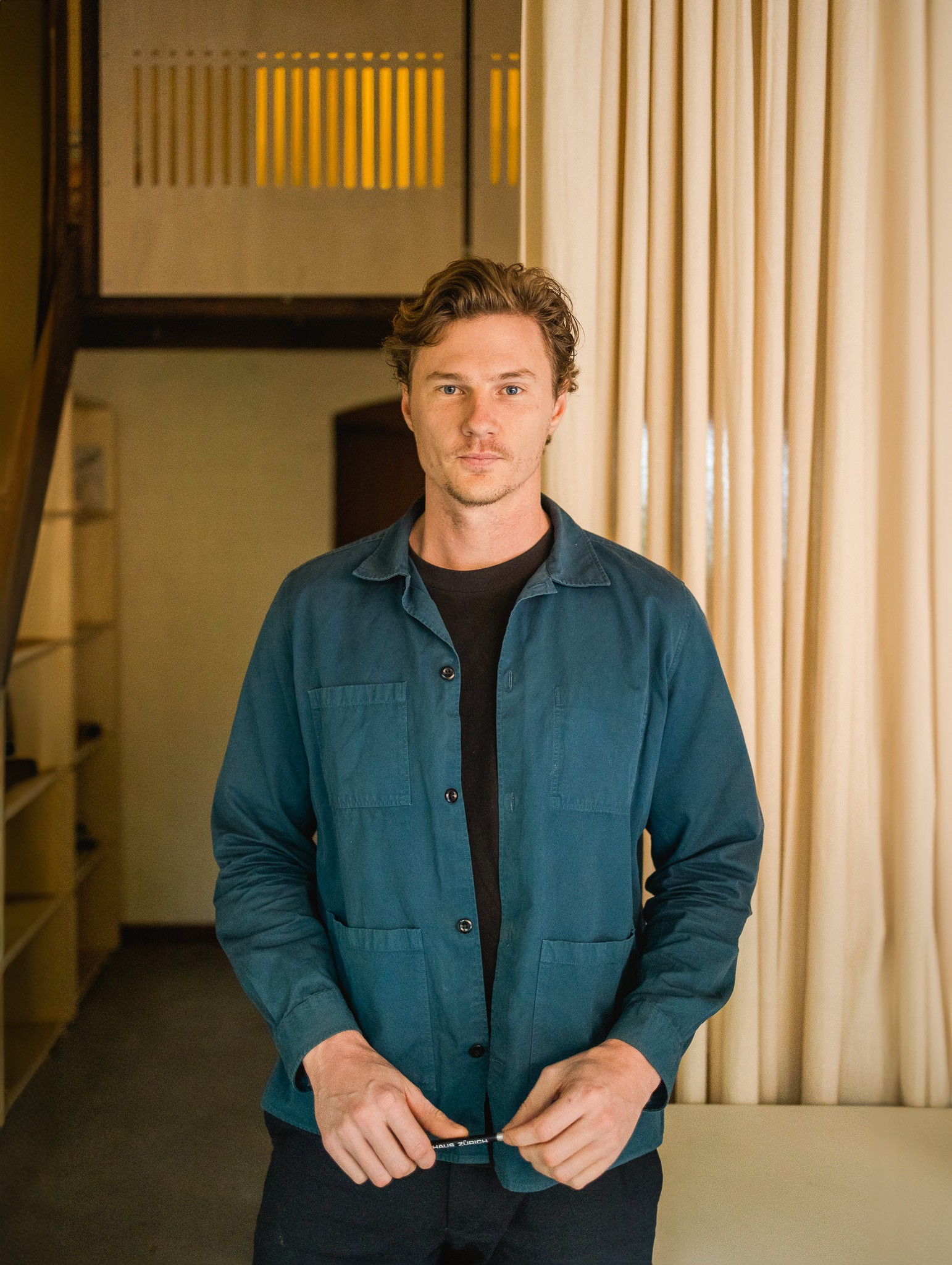
Craig Nener is the director and founder of GROTTO Studio, a Perth-based design studio working across residential, commercial and cultural projects. GROTTO’s work is grounded in atmosphere, landscape and intent, with a focus on designing buildings that feel enduring, practical and deeply connected to their setting. Craig has worked and studied across Australia and Europe, including time with Herzog & de Meuron, MORQ and Nic Brunsdon. His work explores how intuition, careful briefing, site response, spatial clarity and material judgement can support a more thoughtful and human design process.
Price
Members: $79
Student members: FREE
Non-members: $149
FAQs
What Do I Do Next?
- You will receive an automated registration email upon purchase. Follow the link in this email to take you to the course.
- Accept the T&Cs if it is your first time on the online platform and hit “my dashboard” to find your purchased course.
Cancellations and Refunds
Generally, the Institute will not agree to a refund if the request is received less than 14 days before the event starts, unless otherwise stated in the cancellations and refunds policy.