This series is dedicated to celebrating the diverse stories, experiences, and contributions of those in our architectural community who have come to Australia from around the world.
What does Australian architecture look like through the eyes of those who've practiced elsewhere? Through short presentations, speakers will share their observations on transitioning into the Australian architectural landscape: the contrasts that stood out, the assumptions that shifted, and the insights gained from working across different professional cultures.
Following the talks, we invite you to stick around for some relaxed networking. Bring a friend, meet new ones, and help us grow a vibrant, inclusive community. Through connection and celebration, we aim to foster a space where everyone feels welcome and supported.
We look forward to seeing you there!
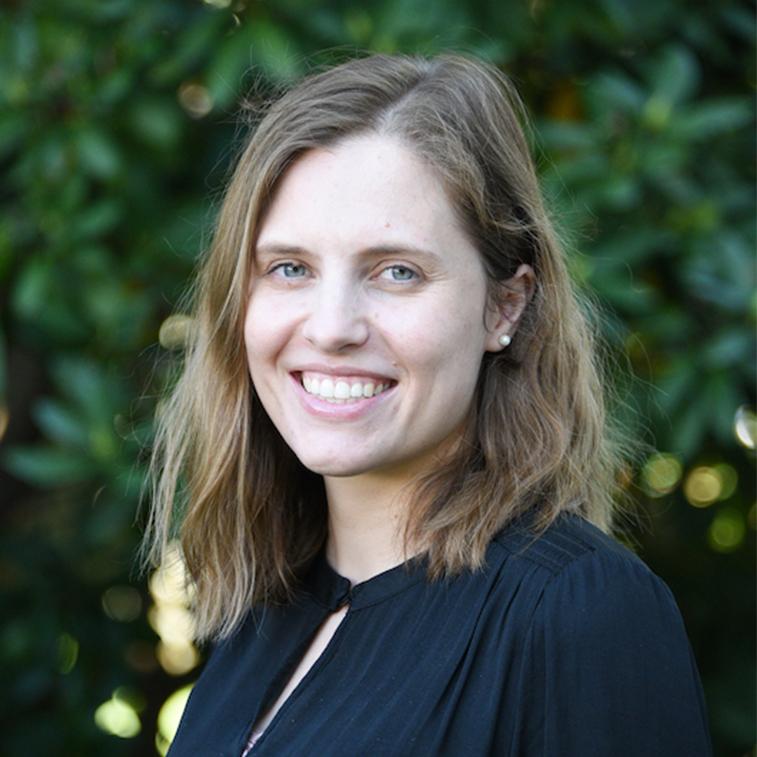
Jana van Wijk
A University of Queensland graduate, Jana established her early career in Brisbane before embarking on a seven-year chapter in Boston, where she became a registered architect in the US. In Boston, Jana worked at a medium-size firm Saam Architecture on varied project types, often focused on existing building revitalisation and reuse. Jana was lucky to lead projects in all stages, from initial concept development right through to construction completion. Her architectural career is significantly shaped by the time working and living in Boston and she is grateful for the diverse experiences related to the practice of architecture and design thinking in a different climate, culture, and a dense existing built environment. Jana returned to Brisbane in 2024 and worked on various multi-residential developments in Brisbane and Gold Coast. More recently, she joined Archipelago at the start of 2026 and is excited to continue engaging with the Brisbane architectural community and the growth of the city.
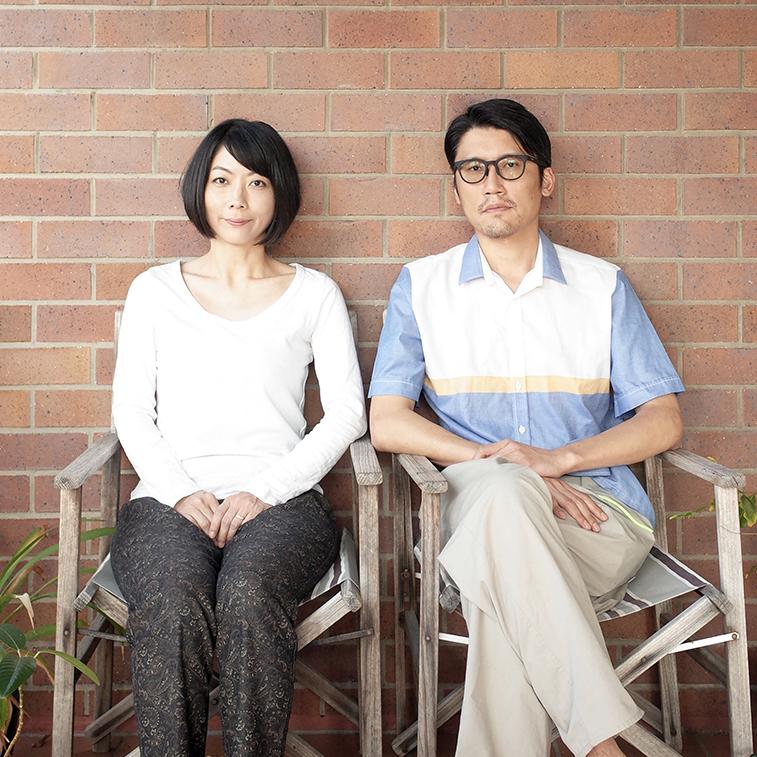
Parafeeld
Parafeeld is a Meanjin / Brisbane based architectural practice established in 2021 by Yohei Omura and Ayano Toki.
Yohei Omura is an architect with interests in the knowledge of locality, the occurrences of everyday life and to practice ideas that resonate with its context. Since graduating from the University of Queensland, he has gained professional experience in Japan and Australia. His work at Phorm Architecture + Design has been recognised in national and state level.
Ayano Toki is a designer, researcher and educator. After she received her PhD from the University of Tsukuba, she has taught in design and research at Tohoku University in Japan. Through long-term experience in recovery support after the Great Tohoku Earthquake, she developed her interest in the formation of places through the interplay of nature, space, and memory.
Both their interest lies in banal and ambiguous elements in architecture that mediates multiple relationships. The work of Parafeeld explores small interventions in a simple manner through architectural design, exhibitions, research and education.
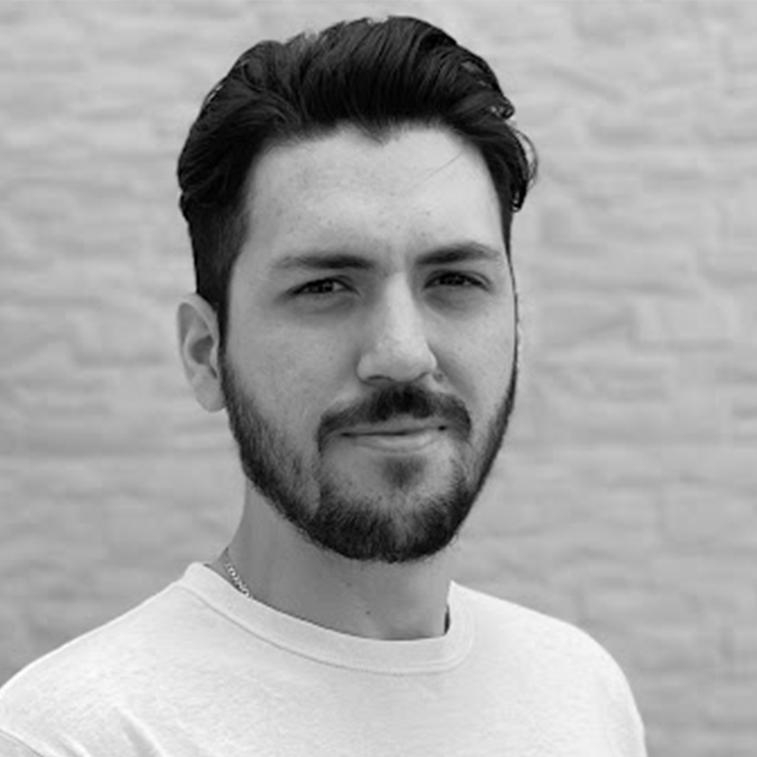
Rodrigo Mostaccero
Rodrigo Mostaccero is a Project Leader at Kaunitz Yeung Architecture, with experience working across the design and delivery of community-based projects in both Australia and overseas. He completed his architectural education across Oxford Brookes University (UK) and the University of Queensland, and gained early professional experience with Melissa Elbers Arquitectura in Lima, Peru, where he worked on residential projects and internal renovations, developing a practical understanding of construction and close collaboration with trades.
Over the past two years, Rodrigo has been involved in the delivery of remote aged care and housing projects across Australia. His role has spanned multiple project stages, including design development, consultant coordination, documentation, contract administration, and construction delivery. Working closely with clients, consultants, contractors, and community stakeholders, he has contributed to projects that respond to cultural, logistical, and environmental contexts.
Rodrigo’s work is shaped by his international experience, hands-on approach, and interest in how architecture can translate design intent into meaningful built outcomes with lasting community impact.
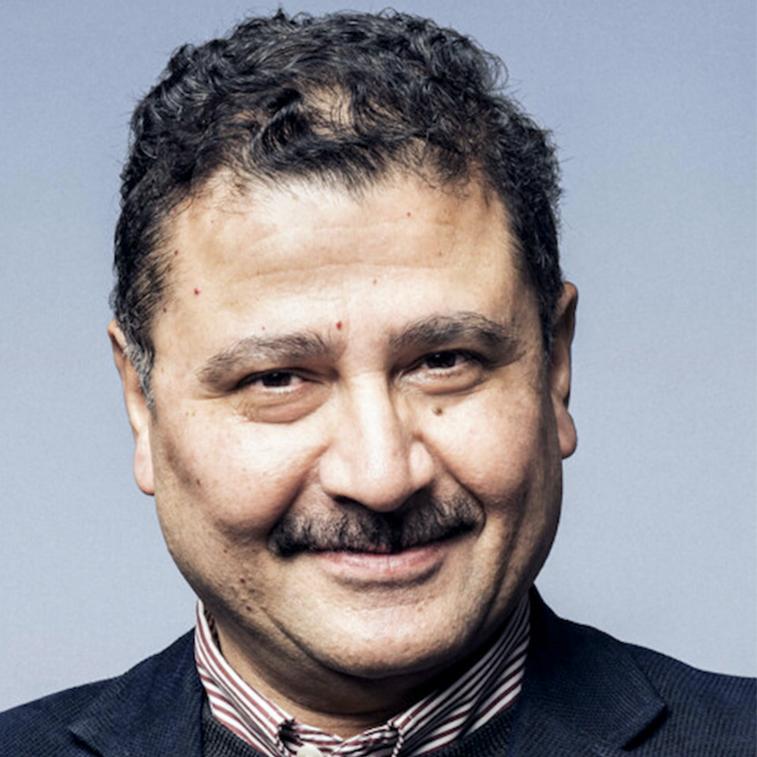
Manu P. Sobti
In criss-crossing continents and engaging with foreign lands, Dr. Manu P. Sobti was born in Kolkata (India), grew up in New Delhi and studied architecture and urbanism at CEPT-Ahmedabad, moving on to complete his Masters at MIT-Cambridge and PhD at Georgia Tech-Atlanta. Between 1989-93, he trained with prominent IBA architect Josef Paul Kleihues in Berlin and Pritzker Prize winner Balkrishna Doshi in Ahmedabad while working in some of their most prominent projects. Manu is International Engagement Lead/Senior Lecturer at the School of Architecture, Design & Planning, University of Queensland. Previously Associate Professor at the University of Wisconsin-Milwaukee, his research and teaching examine ‘deep place’ histories of the natural environment and its eco-centric actors across the Eurasian Silk Road and the Indian Subcontinent. At UQ-ADP, he coordinates the provocative Masters Landscapes & Architecture Design Studio in addition to the Architecture in Asia Undergraduate Elective. He is author of Chandigarh Re-think (ORO Publishers, 2017), with two books forthcoming: Space and Collective Identity in South Asia (Bloomsbury, 2026) and Riverine Landscapes, Urbanity and Conflict (Routledge, 2026). His most recent project explores the Pierre Jeanneret and Aditya Prakash Archives at the Canadian Centre for Architecture, Montreal.