Social value in architecture: Introduction and case study of a mixed-use building
Focusing on an Adelaide case study, the U City building, the researchers investigated the social benefits of building mixed-use vertical communities in the Australian urban context. Using an innovative Social Value Framework, the project established and demonstrated the multi-dimensional impacts of such developments in practice. Citizen science was used for real-time auditing of the built environment by residents and users; smart technologies for environmental and behavioural monitoring; and data analytics and design automation for spatial analysis of building use. In this CPD, we will discuss the concept of social value in architecture more broadly and share results from this project that could inform new, more integrated ways of approaching sustainable building design.
This talk is presented in collaboration with Arch Manu: ARC Centre for Next-Gen Architectural Manufacturing ITTC.
EVENT DETAILS
Date: Thursday 28 August 2025
Time: 5:45pm arrival for 6:00pm start | Finishes at 7:30pm
(60mins presentations + 30mins Q&A and networking)
Location: Australian Institute of Architects Level 2, 15 Leigh Street, Adelaide
Cost: $19 Members and Graduates | $49 Non-Members | $10 SONA Students and Uni Students - (drinks and nibbles included)
CPD Points: Assessment is available for attendees wanting one formal CPD point.
REMEMBER: This is a face-to-face event, so please ensure your attendance on the day.
LEARNING OUTCOMES
At the conclusion of the presentation, you will be able to:
- Explain the concept of social value in architecture and its relevance to sustainable urban development.
- Describe the innovative Social Value Framework used to assess multi-dimensional impacts of mixed-use vertical communities.
- Understand how citizen science and smart technologies can be applied to monitor and evaluate the social and environmental performance of buildings.
- Analyse data-driven approaches such as behavioral monitoring and design automation for enhancing building use and occupant wellbeing.
- Apply insights from the U City case study to inform integrated, socially responsive design strategies in future projects.
SPEAKERS
Helen Barrie

Helen Barrie is the leader for the Inclusion Stream within the Centre for Markets, Values and Inclusion (CMVI) in UniSA Business. Her research focuses on Australia’s changing population and how diversity affects social systems and the built environment. She explores the impact of housing, green space, transport, and urban design on wellbeing and ageing, including retirement living, vertical communities, and rural ageing.
Veronica Soebarto

Veronica Soebarto is an internationally recognised leading expert in building performance and post-occupancy evaluation. Veronica is Professor of Architecture at the University of Adelaide. Her research interests span from age-firendly built environments, environmental performance assessments of buildings, building performance simulation, building monitoring and human thermal comfort to the social dimension of sustainable design.
David Kroll
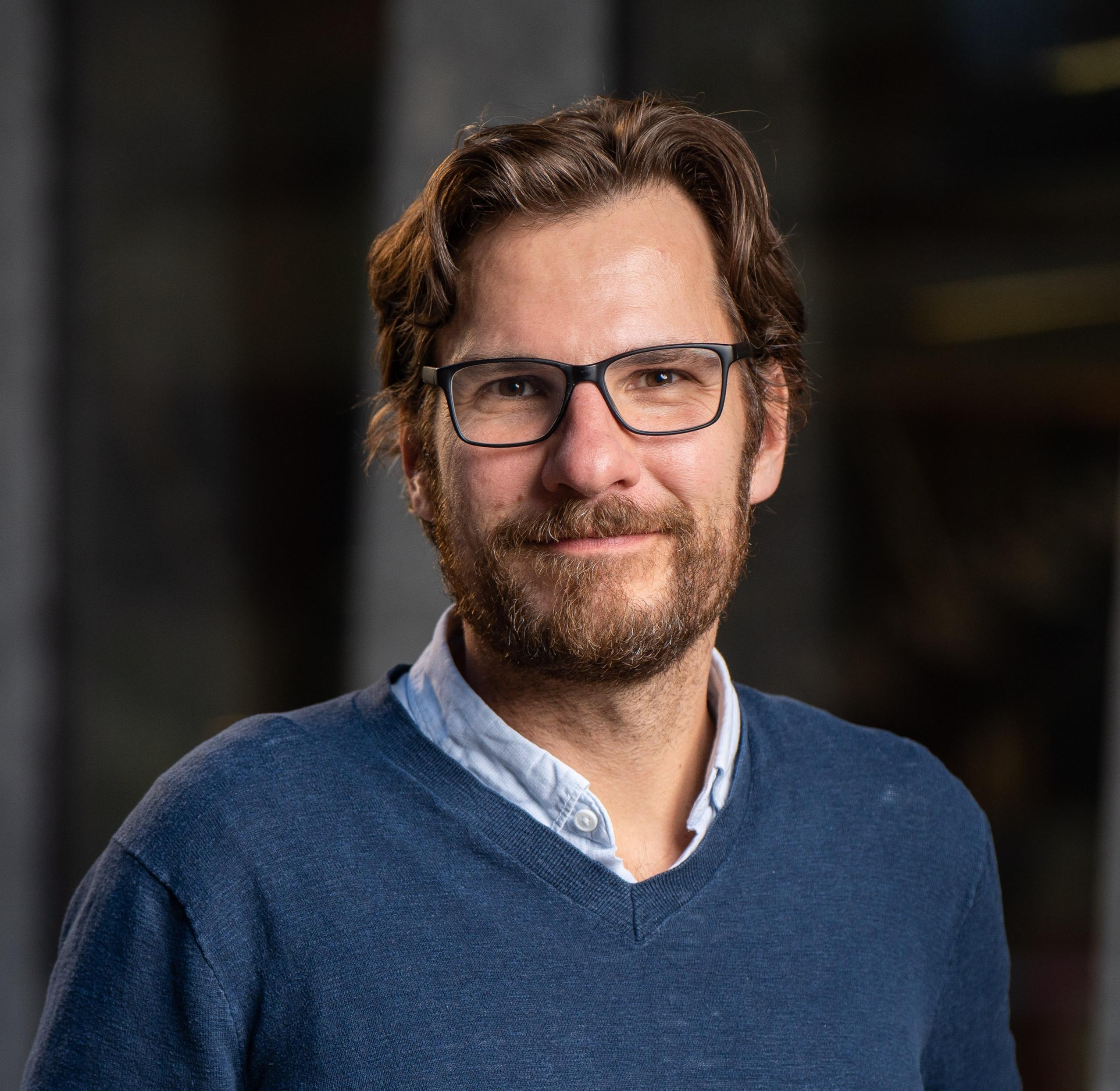
David Kroll is Senior Lecturer in Architecture at the University of Adelaide with academic teaching and research experience in architecture in Australia and the UK. He has a background in architectural practice and holds a PhD from the University of London. His research focuses on housing, sustainable design and architectural heritage, drawing on his background in practice, applied design research and architectural history and theory.
2021 NSCA
PC 28 Be able to draw on knowledge from building sciences and technology, environmental sciences and behavioral and social sciences as part of preliminary design research and when developing the conceptual design to optimise the performance of the project.
PC 29 Be able to develop and evaluate design options in terms of the heritage, cultural and community values embodied in the site, and in relation to project requirements.
PC 30 Be able to explore options for siting a project, including integrating information and analysis of relevant cultural, social and economic factors.