Invisible Foundations: Social civic and service infrastructure for growing regional communities | Victorian Regional Symposium 2025
ON-DEMAND CPD: 1 Formal CPD Point
Overview
Great density demands great infrastructure, from childcare and civic spaces to digital connectivity. This session examines the often-overlooked services that make regional places liveable, and explores how better planning and partnerships can enable these foundational elements. This standalone CPD session is a recording from the in-person Victorian Regional Symposium 2025.
This session includes three presentations:
Density, Intensity and the Regional Condition
Jonathan Daly (Director of Precincts, Department of Transport & Planning)
Jonathan’s presentation explores how regional cities can embrace more, not less — growing with purpose, diversity, and dynamism. Drawing on international comparisons and the “urban DMA” framework (Density, Mix, Access), he will examine what makes cities tick and how vibrant urban life emerges from the relationships between people, places, and unplanned encounters. Through theory and practice, including lessons from a controversial Geelong urban design framework, the session invites a rethinking of “character” and difference — from fixed ideas of place to more adaptive, inclusive approaches that meet the realities and desires of contemporary communities.
Opportunity through Density + Local Agency - a regional case study
Andrew Milward-Bason (Director, Urban Creative Studio)
Following on from Jonathan’s presentation, Andrew will build on the theme of opportunity through density, especially important in regional communities, and explore how the seeds of success lie in the emergence of new initiatives through community. This will be discussed through the lens of an Independent Living initiative, born of local agency and understanding in response to what is becoming an endemic problem in regional communities. Andrew will reflect on the important roles of designers and architects, local government and policy makers, to facilitate outcomes for the common good.
Civic and Cultural Infrastructure for Community Cohesion
Brett Ince (Regional Director, Regional Development Victoria)
Brett’s session will explore how Civic and Cultural Infrastructure strengthens Community Cohesion, with a focus on Regional Victoria. He will explore how Government investment in Central Geelong has driven transformative change - unifying place, boosting the economy and enhancing community outcomes. Through one case study, Brett will highlight the importance of continued investment in thriving CBDs to support regional centres and growing populations.
A short Q&A session will follow with the speakers. This panel will be joined by Wadawurrung Woman Corrina Eccles, representing the Wadawurrung People.
Panel moderator: Professor Tuba Kocaturk (Acting Head of School of Architecture & Built Environment, Deakin University)
NSCA 2021 Performance Criteria
- PC16: Understand risk management and mitigation principles and strategies – including safety in design, project risk, requirement for resilience from the impacts of climate change and appropriate insurances – across architectural services.
- PC18: Be able to apply creative imagination, design precedents, research, emergent knowledge and critical evaluation in formulating and refining concept design options, including the exploration of three dimensional form and spatial quality.
- PC21: Be able to apply project budgets, or work with quantity surveyor to establish project budgets, based upon understanding of cost planning, value management and factors influencing project cost relevant to the project type and scale.
- PC29: Be able to develop and evaluate design options in terms of the heritage, cultural and community values embodied in the site, and in relation to project requirements.
- PC32: Be able to apply planning principles and statutory planning requirements to the site and conceptual design of the project.
- PC35: Understand the operational and embodied carbon implications of chosen materials, components and systems.
- PC46: Understand the processes for producing project documentation that meets the requirements of the contract and procurement procedure and complies with regulatory controls, building standards, codes, and conditions of construction and planning approvals.
Learning Outcomes
At the end of this session, participants should be able to:
- Apply planning principles and statutory planning requirements to the site and conceptual design of the project.
- Understand the processes for producing project documentation that meets the requirements of the contract and procurement procedure and complies with regulatory controls, building standards, codes, and conditions of construction and planning approvals.
- Apply creative imagination, design precedents, research, emergent knowledge and critical evaluation in formulating and refining concept design options, including the exploration of three dimensional form and spatial quality.
- Apply project budgets, or work with quantity surveyor to establish project budgets, based upon understanding of cost planning, value management and factors influencing project cost relevant to the project type and scale.
- Understand risk management and mitigation principles and strategies – including safety in design, project risk, requirement for resilience from the impacts of climate change and appropriate insurances – across architectural services.
- Develop and evaluate design options in terms of the heritage, cultural and community values embodied in the site, and in relation to project requirements.
- Understand the operational and embodied carbon implications of chosen materials, components and systems.
- Integrate community, social and ethical considerations in the formulation of design concepts and strategies.
Speakers

Dr Jonathan Daly
Director of Precincts, Department of Transport & Planning
Dr Jonathan Daly is Director of Precincts in the Victorian Government Department of Transport and Planning. He has 25 years of experience in urban renewal working across private consulting, academia and more recently in local and state government. He received his PhD in urban design from the University of Melbourne.
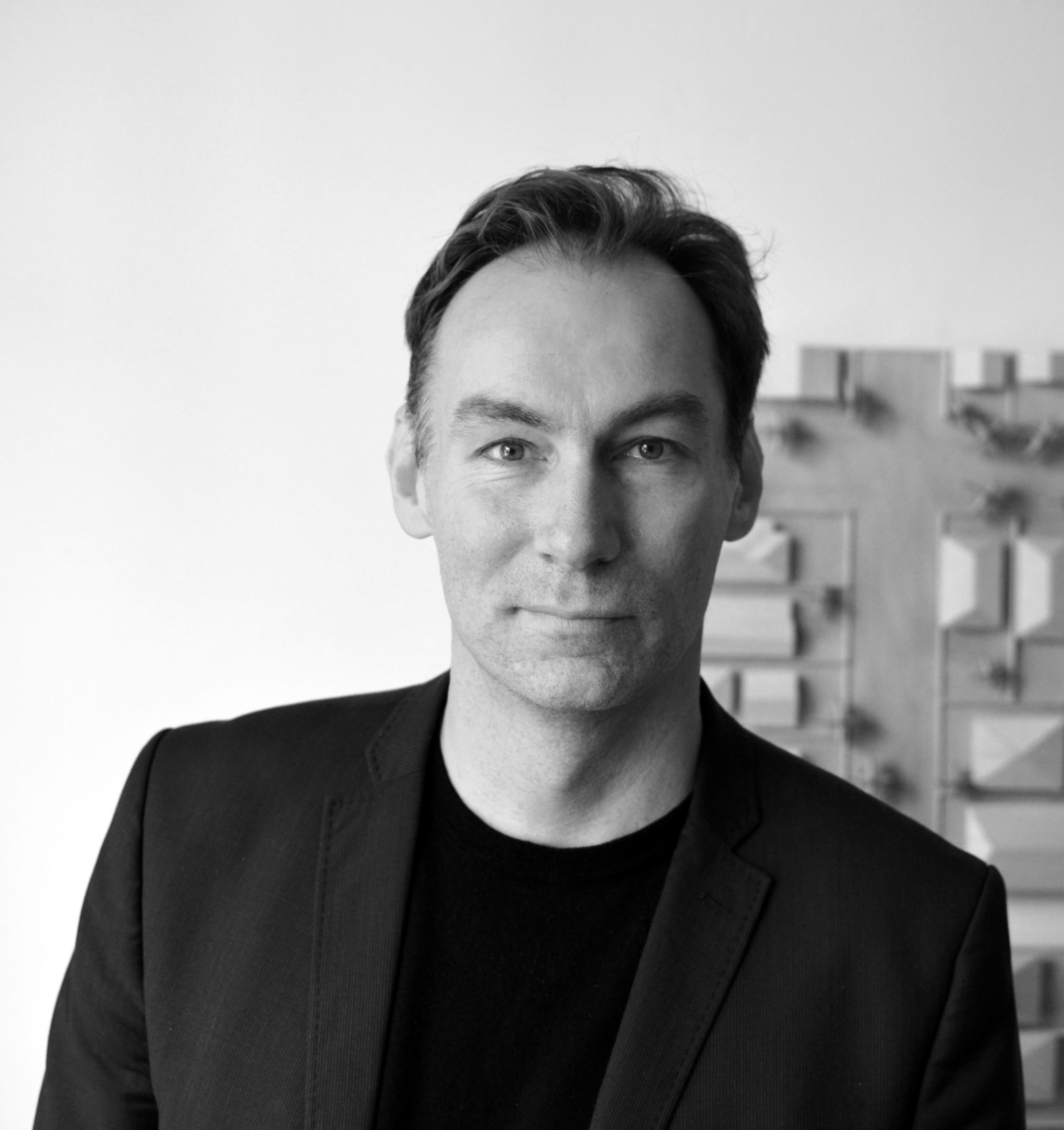
Andrew Milward-Bason
Director, Urban Creative Studio
Andrew is a passionate designer with a breadth of experience and skills developed over 30 years working across a range of award-winning architectural and urban design projects within an international context. His practice, Urban Creative Studio, is committed to making a positive transformational contribution to our built landscape and seeks an architecture that engages with its urban, social, and historical context, and that fosters a sustainable future through innovation, rigorous analysis, and inspiration.
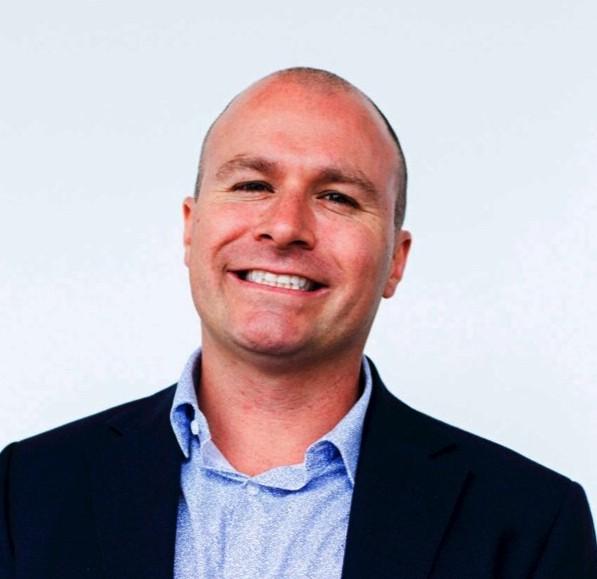
Brett Ince
Regional Director, Regional Development Victoria
Brett is the Regional Director of Regional Development Victoria Barwon South West and is the Executive Officer for Regional Development Australia Barwon South West, the Barwon Regional Partnership, and the Great South Coast Regional Partnership. Regional Development Victoria (RDV) is the Victorian Government’s lead agency responsible for rural and regional economic development. RDV operates in partnership with regional businesses and communities, and all tiers of government to deliver the Government’s regional development agenda and instigate positive change for regional and rural Victorians. Our work includes enabling businesses to invest to consolidate and grow jobs, strengthen regional economies and enrich the social fabric of Victoria’s regional cities and towns.
Price
Members: $79
Student members: FREE
Non-Members: $149
FAQs
What do I do next?
- You will receive an automated registration email upon purchase. Follow the link in this email to take you to the course.
- Accept the T&Cs if it is your first time on the online platform and hit “my dashboard” to find your purchased course.
Cancellations and refunds
Generally, the Institute will not agree to a refund if the request is received less than 14 days before the event starts, unless otherwise stated in the cancellations and refunds policy.