Country, Culture, Community On Demand - Craig Kerslake
We take this suite of On Demand formal CPD presentations from the Institute's landmark Country, Culture, Community event which drew together Indigenous and non-Indigenous architects, designers, artists and thinkers from across Australia on muwinina Country, nipaluna (Hobart) over three days in February 2024.
Country, Culture, Community On Demand - Craig Kerslake
Available On Demand
1 Formal CPD Point
Overview
This presentation forms part of a suite of On Demand formal CPD presentations from the Institute's landmark Country, Culture, Community event which drew together Indigenous and non-Indigenous architects, designers, artists and thinkers from across Australia on muwinina Country, nipaluna (Hobart) over three days in February 2024.
Craig Kerslake discusses the concept of "belonging to country" in both Indigenous and architectural contexts. He shares personal experiences and cultural perspectives on how architecture can embody Indigenous values, particularly through connecting with and respecting the natural environment. Key themes include relationality, sustainability, the importance of embedding cultural knowledge early in the design process, and the idea of "custodial architecture," which supports community and nature. The presentation highlights how Indigenous approaches to design can lead to more harmonious and responsible architectural practices.
Learning Outcomes
On completion of this course participants should be able to:
- Understand the Indigenous concept of "belonging to country" and its implications for architectural practice.
- Understand the significance of a relational context in design, emphasizing the connections between people, community, and nature.
- Explore the concept of custodial architecture
- Understand the importance of integrating Indigenous cultural knowledge and practices early in the design process
- Identify challenges in incorporating Indigenous perspectives in architecture and explore strategies for addressing these challenges.
NSCA 2021 Performance Criteria
This course will deliver outcomes related to the following Competencies from the 2021 National Standard of Competency for Architects:
This event program will deliver outcomes related to the following Competencies from the 2021 National Standard of Competency for Architects:
Practice Management and Professional Conduct
PC 1 Comply with the regulatory requirements and obligations pertaining to practice as an architect, including legislation, professional codes of conduct, obligations for continuing professional development and professional indemnity insurance.
PC 3 Apply principles of project planning, considering implications for Country, environmental sustainability, communities, stakeholders and project costs.
PC 8 Be able to implement culturally responsive and meaningful engagement processes that respect the importance of Country and reciprocal relationships with Aboriginal and Torres Strait Islander Peoples across architectural services.
Project Initiation and Conceptual Design
PC 17 Have an understanding of Aboriginal and Torres Strait Islander Peoples’ aspirations to care for Country and how these inform architectural design.
PC 20 Be able to assess project budget and timeframe against project requirements and objectives, relevant legislation, statutory planning requirements, building codes and standards.
PC 24 Be able to prepare and analyse project development options in response to a project brief – its objectives, budget, user intent and built purpose, risk and timeframes, including environmental sustainability considerations.
PC 27 Understand how to embed the knowledge, worldviews and perspectives of Aboriginal and Torres Strait Islander Peoples, shared through engagement processes, into the conceptual design in a meaningful, respectful and appropriate way.
PC 29 Be able to develop and evaluate design options in terms of the heritage, cultural and community values embodied in the site, and in relation to project requirements.
PC 30 Be able to explore options for siting a project, including integrating information and analysis of relevant cultural, social and economic factors.
PC 34 Communicate conceptual design proposals and associated information to client, stakeholders and communities using appropriate and culturally responsive methods appropriate to different audiences.
Detailed Design and Construction Documentation
PC 36 Be able to apply creative imagination, design precedents, emergent knowledge, critical evaluation and continued engagement with Aboriginal and Torres Strait Islander Peoples to produce a coherent project design. This should be resolved in terms of supporting health and wellbeing outcomes for Country, site planning, formal composition, spatial planning and circulation as appropriate to the project brief and all other factors affecting the project.
PC 41 Be able to coordinate and integrate input from specialists and consultants into the detailed design and documentation.
PC 45 Be able to nominate and integrate quality and performance standards with regard to selected materials, finishes, fittings, components and systems, considering the impact on Country and the environment, and the whole life carbon impact of the project. This includes integrating life cycle assessments and other expertise and advice from consultants.
Speaker
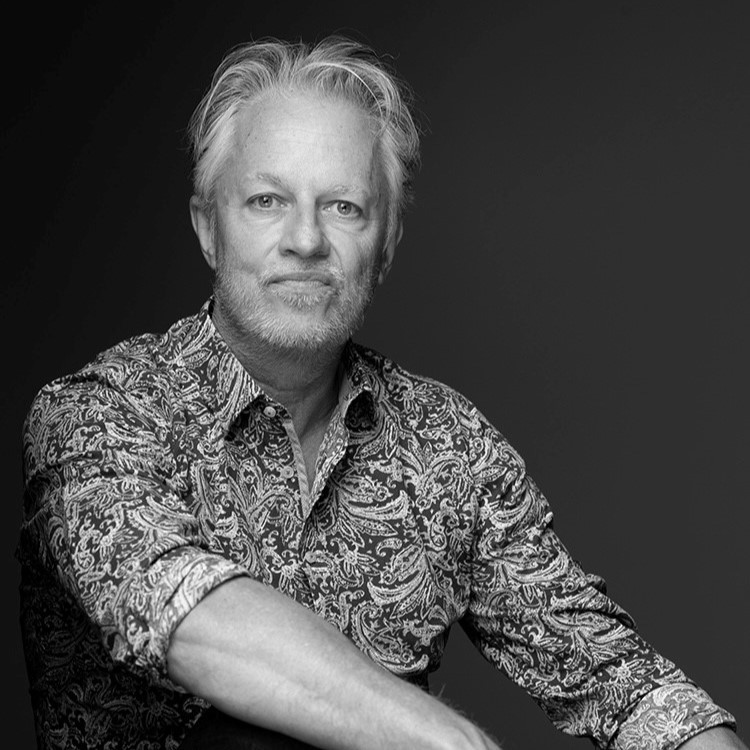
CRAIG KERSLAKE
The Indigenous hand – Country centric narratives as vernacular expression
‘It is our collective human fascination with our continual relationship with the natural world. Ultimately landscapes ground us and bring us back to who we really are.’ Craig Kerslake (wiradjuri architect, Managing Director, Nguluway DesignInc)
The world is realising that the original Custodians of our lands hold many answers as to how we view ourselves within the landscape and with each other. This most definitely informs the making of our built environment and most of all our identity.
As a Wiradjuri Architect, Craig draws upon his cultural heritage, community and knowledge of what Aboriginal people refer to as ‘Country’. Within a team setting, he brings this forth with spirited innovation to inform spatial design and architectural form with unique expression that finds resonance with all Australians. His cultural overlays often draw design thinking to the unexpected and provide positive outcomes focused on Aboriginal centred qualities, spatial unity and scales of social engagement.
Often this is achieved through a uniquely enriching process Craig refers to as ‘Designing From Country’ where design narratives come from the Aboriginal understanding of Country. With cultural engagement with Aboriginal community members and Elders, clients are taken ‘Back to Country’ on an experiential journey. By following traditional cultural practices, overlaid with architectural thinking, clients feel welcomed to the landscape, and often find their understanding and perspectives transformed. The experience is both grounding and many say they find strong bonds and a sense of connection to “place” and identity in the process. Beyond this, an often restructured brief is gained, informed by ideas of ‘Belonging to Country’.
Price
FORMAL CPD:
Non Members $74
Members $49
Refunds and cancellations
Please refer to our terms and conditions for information about refunds and cancellations. By registering for this event you are agreeing to these terms.