Heritage Series 2026 | How Heritage is Integrated in the Right Moment
8 Formal CPD Points
Series runs from 6 August 2026 - 27 August 2026 | 12pm - 2pm AEST
Each session is a live webinar and will be made available On Demand after each session.
SERIES OVERVIEW
Statutory processes are part and parcel of most architectural projects, and many include consideration of applicable heritage legislation and regulations.
These regulations may be local, state or national, requiring engagement with statutory bodies, specialist consultants and an array of supporting documents.
This series is aimed at demystifying the processes, terminology, documentation and requirements associated with heritage projects, better equipping architects to deliver services that meet the needs of their clients and provide the right advice at the right time.
Session 1 | Understanding and Integrating Heritage Processes: Taking Theory into Best Practice
2 Formal CPD Point
Live webinar
12pm-2pm, AEST
Thursday, 6 August 2026
11:30am – Adelaide, Darwin
10am – Perth
SESSION OVERVIEW
Gain practical understanding of Australia's heritage listing and funding landscape. This course explores the range of heritage listings, from non-statutory registers such as the National Trust and Engineers Australia through to local, state, national and World Heritage listings. Participants will learn how heritage places are nominated and assessed for significance, with an overview of how listing processes operate across different states. The session also introduces heritage grant opportunities at state and federal levels, including expert guidance on the characteristics of strong grant applications. Ideal for heritage professionals, asset managers and property practitioners involved in managing and conserving heritage places.

Jennifer Castaldi
Facilitator | Architect
Jennifer has over twenty years professional experience as registered architect in NSW working in heritage conservation and adaptive reuse of buildings and sites of cultural significance. She has worked in architectural practices, heritage consultancies and local government on places listed on the Commonwealth Heritage Register, NSW State Heritage Register (SHR) as well as items listed on S170 registers, local council heritage registers and heritage conservation areas in urban and regional contexts. My skills include condition assessment, master planning, documentation for approvals and construction, preparation of conservation management documents, materials conservation, hazardous materials remediation and cyclical maintenance schedules. She has been involved in the preparation of interpretation plans from the stage of community consultation through to documentation for fabrication.
She has participated in practical workshops on significant heritage sites in Longford (TAS) and Adelaide (SA) to learn the fundamentals of heritage skills and trades, as well as the use and application of traditional materials. She has acted in the role of an expert witness for heritage matters in the Land and Environment Court and is currently acting in the role of Heritage Officer for the City of Newcastle and Heritage Advisor for Broken Hill Council.

Kate Glanville
Senior Heritage Consultant | HERITAS
Kate Glanville is a Senior Heritage Consultant with HERITAS, specialising in the assessment, conservation, adaptive re-use and interpretation of heritage places across New South Wales. She has completed a Master of Architecture and Bachelor of Design (Architecture), both with distinction at the University of Newcastle, a Master of Heritage Conservation at the University of Sydney.
Kate combines academic excellence with practical experience across heritage impact assessments, conservation works, adaptive re-use projects and archival recording for government, institutional and private clients. Her project experience includes public and religious buildings, theatres, civic places and State-listed heritage sites throughout New South Wales.
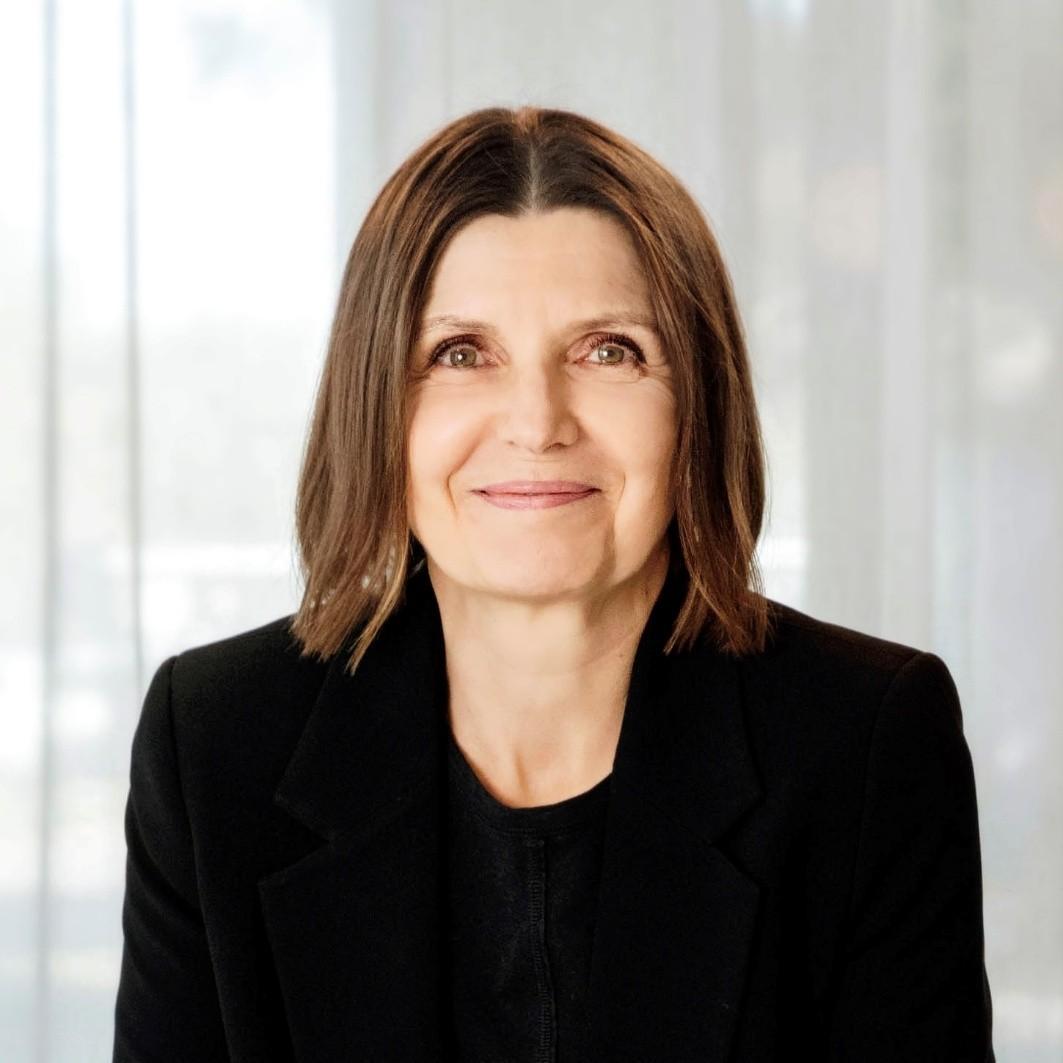
Linda Babic
Founder & Director | HERITAS
Linda Babic FRAIA is a registered architect, heritage specialist and Founder and Director of HERITAS, with more than 30 years' experience in the conservation, adaptation and management of heritage places throughout New South Wales. Holding a Master of Heritage Conservation from the University of Sydney, her work spans a wide variety of heritage places, from individual buildings to large-scale civic precincts. Passionate about keeping heritage relevant, she works with architects, government, institutions and developers to find practical, commercially realistic solutions that respect significance while enabling change.
A Fellow of the Australian Institute of Architects, Linda currently serves on the NSW Heritage Committee, is a member of Australia ICOMOS and was a jury member for the 2024 NSW Architecture Awards (Heritage). She is the recipient of the National Trust (NSW) Cathy Donnelly Memorial Award for outstanding female practitioner in conservation.

Olivia Turner
Senior Heritage Specialist | TKD Architects
Olivia is a Senior Heritage Specialist at TKD Architects with more than seven years’ experience working across local government and private consultancy. Olivia possesses strong research skills as an accredited professional historian, alongside a thorough understanding of heritage planning frameworks and conservation management. She works collaboratively with clients and design teams to provide considered advice that supports both heritage conservation and project outcomes.

Flavia Kiperman
Technical Director and Heritage Asia Pacific Practice Manager | SLR Consulting
Flavia shares her holistic view, global perspective, and commitment to heritage practice as Technical Director and Heritage Asia Pacific Practice Manager - SLR Consulting. She is a registered Architect in WA, fellow at the Royal Australian Institute of Architects and a member of the Heritage Council of Western Australia. Her extensive portfolio includes working with local governments, private owners, and the State Government on a wide range of projects. She focuses on appropriate methodologies for heritage management processes, including engaging with Traditional Owners and Community Leaders first and foremost, and including our shared history in the assessment of cultural heritage places. She actively participates in climate, risk preparedness, and social-related scientific committees, including the International ICOMOS Climate Action and Energy and Sustainability International Scientific Committees, representing the Australian membership.
LEARNING OUTCOMES
- Describe the different types of heritage listings in Australia, including non-statutory, local, state, national and World Heritage listings.
- Recognise the role of heritage significance assessments in identifying and protecting heritage places.
- Understand the basic processes involved in nominating a place for heritage listing and the key stakeholders involved.
- Identify how heritage listings and statutory requirements may influence project planning, documentation and architectural decision-making.
- Recognise heritage considerations that may need to be addressed when responding to client briefs and stakeholder requirements.
- Gain an introductory understanding of heritage grant programs and the factors that contribute to successful funding applications.
- Appreciate the role of heritage processes in supporting informed, compliant and culturally responsive architectural practice.
PERFORMANCE CRITERIA
PRACTICE MANAGEMENT AND PROFESSIONAL CONDUCT
- PC12: Provide independent, culturally responsive and objective advice in accordance with relevant building codes, standards, technical specifications and guidelines, and planning regulations, including climate change implication across all aspects of architectural practice.
- PC13: Be able to identify and apply strategies, programming and processes for documentation through all project stages to facilitate project delivery, as appropriate to selected procurement processes.
PROJECT INITIATION AND CONCEPTUAL DESIGN
- PC23: Be able to prepare a return brief for approval by the client and relevant stakeholders in response to a client brief and any areas of deviation or non-compliance.
Session 2 | Heritage Conservation: Research, Assessment, Scoping
2 Formal CPD Point
Live webinar
12pm-2pm, AEST
Thursday, 13 August 2026
11:30am – Adelaide, Darwin
10am – Perth
SESSION OVERVIEW
What are the practical first steps you should take on a project that involves heritage fabric conservation? With input from experienced heritage architects and through the lens of project case studies and best practice as required by observance of the Burra Charter process this session will take you through the practical steps that are required. The speakers will capture the gamut of essential research and information gathering, how to go about fabric assessment, specialist consultants inputs and preparation of schedules of works and developing an appropriate conservation management strategy.
PRESENTERS
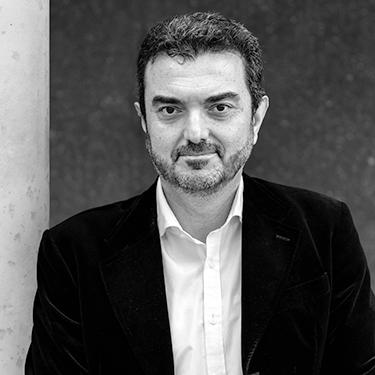
Can Ercan
Facilitator | Architect, Heritage Consultant | Design34
Can Ercan is a registered architect, heritage consultant, and director of Design34, based in Canberra. With nearly 30 years of experience, he has worked on a wide range of commercial, residential, and heritage projects across Canberra, Sydney, and Istanbul. Can provides heritage consultancy services to both private and public sector clients, including NSW regional councils and NSW Parks and Wildlife Service. He has been an active member of the ACT Chapter Heritage Committee of the Australian Institute of Architects for the past decade, serving as Chair for much of that time, and was a past member of the Institute’s National Heritage Committee.
.jpg)
Elizabeth Little
Architect | Grieve Gillett Architects
Elizabeth is a heritage architect with over twenty five years of experience in the architectural heritage and conservation field. Elizabeth has worked with public and private sector clients on a wide range of projects, from heritage surveys and conservation management plans to adaptive reuse proposals and works documentation. She enjoys continuing to develop her technical knowledge with further studies in materials conservation.
Elizabeth works with heritage places in a way that integrates their value with contemporary upgrades and design proposals. She maintains a particular interest in infill design solutions on a wider scale and refurbishment and adaptation of existing buildings.
Liz has worked at Grieve Gillett Architects, based in Adelaide, for over 15 years.
.jpg)
Sarah Burge
Architect | Grieve Gillett Architects
Sarah is an architect with a broad range of project experience, including sports and community facilities, education, fitouts and residential developments.
She has a keen interest in heritage architecture, specialising in heritage conservation and management.
Sarah is driven to find outcomes resulting in a quality of space sympathetic to contextual and end user relationships. She is able to adapt her knowledge across different disciplines, collaborating with clients, throughout the project process, whilst both working as a part of and managing consultant teams, to achieve quality design outcomes.
Working across the full spectrum of architectural services has afforded Sarah a detailed understanding of the delivery of projects, including the additional overlay faced by heritage projects, under a range of procurement models, to the highest standards. Sarah’s expertise ranges from condition and compliance audits of heritage places, through to the scoping and documenting conservation works. Her design skills include spatial master planning, interior design, adaptive reuse and new developments.

Hector Abrahams
Principal Architect | HAA
Hector Abrahams is a leading Heritage Architect in NSW. For 35 years, he has gained a reputation in public and private work in the areas of master planning, adaptive reuse, conservation of cultural landscapes and all manners of buildings.
Hector is experienced in working in complex projects, familiar with collaboration in large master planning teams. He has experience navigating tricky consent processes.
At HAA, he leads and mentors a team of gifted practitioners who love working together. Public Buildings and places of high cultural value for which he has undertaken conservation works and/or conservation planning include The Treaty House, New Zealand, Kingston and Arthurs Vale (Norfolk Island), The Sydney General Post Office, The Brisbane General Post Office, Elizabeth Bay House, Vaucluse House, The Australian War Memorial, Parramatta Park, and Calangal (North Head). All of these places are found on either state, national and world heritage lists.
He is currently on the board of the National Trust of Australia (NSW)

Roger Beeston
Director | RBA Architects
Roger Beeston is a registered architect with more than 40 years’ experience in heritage conservation, adaptive reuse and architectural practice. Roger currently serves on the academic advisory board for the Australian Centre for Architectural History, Urban and Cultural Heritage (ACAHUCH) at the University of Melbourne where he is also an occasional lecturer. He is Deputy Chair of AusHeritage Ltd and has previously lectured at Deakin University. Roger is known for his deep knowledge of traditional and contemporary building technologies and for delivering authentic, technically informed and sustainable conservation solutions. Under his leadership, RBA has received the AIA John George Knight Award for Heritage Architecture on multiple occasions.

Phillipa Hall
Principal: Architecture + Conservation | RBA Architects + Conservation Consultants
Phillipa Hall is a UK registered architect with experience across all stages of architectural projects, from residential extensions to the adaptive reuse and conservation of major public buildings. She advocates for contextual, responsible and accessible design that improves existing places while considering long-term social, economic, physical and environmental outcomes. Phillipa has a particular focus on 20th century heritage, strengthened through the Getty Institute’s International Course on the Conservation of Modern Heritage. At RBA, she contributes project management, design leadership and architectural review, and leads adaptive reuse projects for buildings on the Victorian Heritage Register. She balances design ambition with client needs, statutory requirements and heritage values, while providing practical conservation advice to contractors and clients.
LEARNING OUTCOMES
- Understand how to initiate the first practical steps on a project involving conservation of a heritage building or site including fabric assessment, schedules of works or a heritage fabric management strategy.
- Gain an appreciation of the application of the Burra Charter process to analysing and scoping conservation works
- Recognise where specialist consultant expertise is required for conservation works assessment and scoping
- Appreciate the importance of integrating the assessment of heritage scope early in the design process where they are alongside adaptive works to ensure budgets, methodologies and statutory approval processes incorporate the necessary scope of works.
PERFORMANCE CRITERIA
PRACTICE MANAGEMENT AND PROFESSIONAL CONDUCT
- PC12: Provide independent, culturally responsive and objective advice in accordance with relevant building codes, standards, technical specifications and guidelines, and planning regulations, including climate change implication across all aspects of architectural practice.
PROJECT INITIATION AND CONCEPTUAL DESIGN
- PC25: Be able to draw on knowledge from the history and theory of architecture as part of preliminary design research and when developing the conceptual design.
- PC26: Be able to undertake site, cultural and contextual analysis as part of preliminary design research.
- PC29: Be able to develop and evaluate design options in terms of the heritage, cultural and community values embodied in the site, and in relation to project requirements.
DETAILED DESIGN AND CONSTRUCTION DOCUMENTATION
- PC41: Be able to coordinate and integrate input from specialists and consultants into the detailed design and documentation.
Session 3 | Heritage Services and the Lifecycle of a Project
2 Formal CPD Point
Live webinar
12pm-2pm, AEST
Thursday, 20 August 2026
11:30am – Adelaide, Darwin
10am – Perth
SESSION OVERVIEW
The Outline of Services – Consultation Draft is a major milestone developed by the Institute’s Large Practice Forum to support clarity and alignment between architects and clients throughout the life cycle of a project. This new resource proposes a consistent framework for architectural services across eight defined project stages.
Nick Bourns, Director NH Architecture and Jim Gard'ner, Director GJM Heritage in conversation with Anne-Marie Treweeke, Director Lovell Chen will unpack the way in which heritage statutory and regulatory approval processes are woven through the 8 stages to answer the following:
- How to use this document to assist you as the architect to educate your client in the processes
- The broad spectrum of heritage - built heritage and cultural heritage
- How the system works when there is a ‘design architect’ working alongside a ‘heritage architect’
- Know when to engage specialist consultants – including who engages them
- The right time to lock in the approval strategy – challenges and pitfalls of not getting this right early
- Who prepares essential documents
- How the different procurement routes for construction can impact processes
- What is the full cycle in a project – why it doesn’t just stop at documentation
PRESENTERS
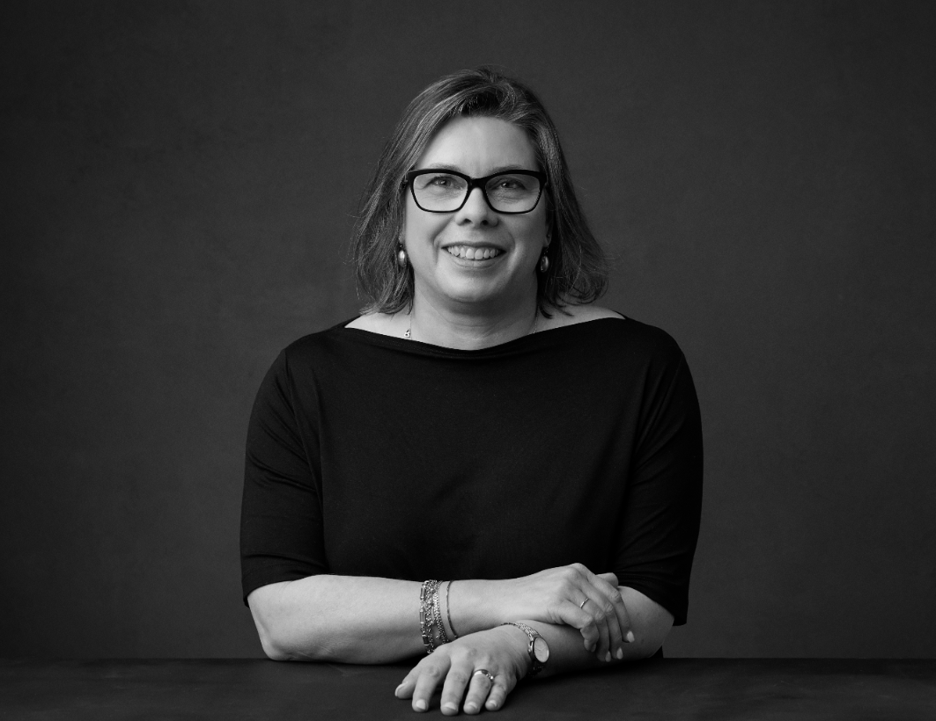
Anne-Marie Treweeke
Facilitator | Principal & Director | Lovell Chen
Anne-Marie is a Practice Principal and Director of Lovell Chen, a leading architecture and heritage consulting practice based on Melbourne with projects located around Australia. She is a registered architect in Victoria, Tasmania, NSW, Queensland, ACT and Western Australia.
She is a skilled critical analyst with considerable insight into the way the construction industry operates, gained over more than 32 years as a design architect and high-level strategic and master planner. She is particularly experienced as a designer, and in the adaptation of buildings for new uses, conservation architecture, working in heritage contexts, and the challenges of climate change in the context of the built environment and its structures of all periods.
Anne-Marie is a longstanding member of the Heritage Committee of the Victorian branch of the Australian Institute of Architects (AIA), and is a member of the AIA (Victoria) Large Practice Forum Outline of Services working group. www.lovellchen.com.au

Nick Bourns
Director | NH Architecture
Nick is Director of Architecture and Design at NH Architecture, where he leads complex projects from initial briefing through design and delivery. His portfolio spans public and urban environments, health, commercial, education, residential and master planning, with particular expertise in heritage, adaptive reuse and the renewal of significant civic places. His experience includes major projects such as the Queen Victoria Market Renewal, along with a range of adaptive reuse projects that balance contemporary needs with the conservation of heritage significance.
Nick’s design approach is guided by two complementary perspectives: the need to redevelop, reimagine and rejuvenate the public realm while preserving cultural integrity, heritage values and the stories embedded within place. He provides strategic design leadership, navigates complex stakeholder environments and fosters collaborative design processes that deliver enduring and meaningful outcomes.
Beyond practice, Nick is a Victorian Chapter Councillor of the Australian Institute of Architects, Chair of the Large Practice Forum, and Chair of the Outline of Services Working Group, where he contributes to the advancement of the profession through advocacy, leadership and the development of industry standards.

Jim Gard'ner
Director | GJM Heritage
Jim Gard'ner is a Director of GJM Heritage and a Registered Architect (Victoria) who has practiced in heritage conservation and consulting in Australia, New Zealand and the United Kingdom. Jim has previously held the role of Executive Director, Heritage Victoria;
Conservation Manager at the National Trust of Australia (Victoria) and Historic Buildings Architect at English Heritage. Prior to this he worked in private architectural practice is New Zealand and the UK. He has provided regulatory heritage advice to Economic Development Queensland within Priority Development Areas and referral advice on major projects to a number of local councils in Victoria.
GJM Heritage are historic heritage professionals based in Melbourne who bring together expertise in architecture, conservation, urban planning, interpretation, architectural history and history. Working across Australasia, GJM Heritage specialises in heritage policy development, advising on the management of heritage places and precincts as well as undertaking heritage assessments and studies. Jim has led the heritage approvals processes at State- and local-level across a range of projects from domestic scale development to large commercial and major infrastructure projects. www.gjmheritage.com
LEARNING OUTCOMES
- Explain how heritage statutory and regulatory approval processes are integrated throughout the eight stages of architectural service delivery and communicate these requirements effectively to clients.
- Identify the appropriate timing for establishing a heritage approval strategy, recognising key risks, approval pathways and project implications associated with delayed or incomplete heritage planning.
- Evaluate the roles, responsibilities and coordination requirements of architects, heritage specialists and other consultants throughout heritage projects, including determining when specialist expertise should be engaged.
- Assess how different procurement methods and project delivery models influence heritage approval processes, project documentation and ongoing project outcomes beyond the documentation phase.
PERFORMANCE CRITERIA
PRACTICE MANAGEMENT AND PROFESSIONAL CONDUCT
- PC3: Apply principles of project planning, considering implications for Country, environmental sustainability, communities, stakeholders and project costs.
- PC7: Apply and follow processes for clear and consistent communication with clients and relevant stakeholders throughout the project, including obtaining approvals from clients and stakeholders.
- PC9: Be able to apply contemporary and emerging building procurement methods. This involves identifying the most appropriate form of delivery for a project, including risks, mitigation and adaptation strategies, and integrating appropriate construction contracts and consultancy contracts and/or agreements.
DETAILED DESIGN AND CONSTRUCTION DOCUMENTATION
- PC44: Maintain effective and clear communication in the coordination of relevant consultants, manufacturers and suppliers as required under the terms of engagement.
Session 4 | Demystifying Your Heritage Toolkit
2 Formal CPD Point
Live webinar
12pm-2PM, AEST
Thursday, 27 August 2026
11:30am – Adelaide, Darwin
10am – Perth
SESSION OVERVIEW
A well-developed heritage toolkit on a project includes documents prepared by experienced heritage consultants to support the conservation and management of the heritage significance of the place. These may include statutory statements of significance, Conservation Management Plans, Heritage Management Plans, Heritage Impact Statements/Assessments, Self Assessments, Heritage Infrastructure Management Plans and Interpretation Strategies. In this session we present both typical and atypical heritage case studies together with input from a Heritage Architect and former Queensland State Government Director of Heritage - to unpack and demystify the nature and scope of these documents - highlighting how done well they support the design process and retention of significance.
PRESENTERS

Alice Hampson
Facilitator | Founder & Director | AHA
Alice Hampson is a heritage architect with a speciality in cultural heritage significance and a particular expertise in mid-century. A graduate of the University of Queensland with first class honours, she was awarded both Board of Architects Prizes and the QIA Medallion. Hampson is an Adjunct Professor at UQ, an RAIA Life Fellow, honouree member of both AIA and IRAC, Chair of the National Heritage Committee, a past Member of the Queensland Heritage Council, and she sits as the heritage expert on the IEP for Arts Queensland. She was National President of RAIA 2020-2021, and 2021 National Architecture Awards Chair.
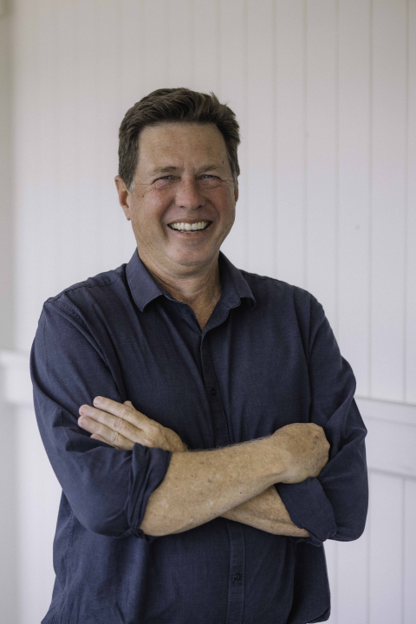
Brian Hooper
Director | Brian Hooper Architect
Brian Hooper is a graduate from the QUT School of Architecture, sole practitioner and director of Brian Hooper Architect. Based in Yeppoon & established in 1998, the design orientated practice has worked on numerous Local Queensland Government projects, commercial, high end residential and multi-residential sectors locally and throughout Western Queensland. He has also collaborated with several larger practices with commissioned work as varying as; the Tree of Knowledge Memorial, Globe Visitor Information Centre & Australian Stockman’s Hall of Fame (m3architecture), Rockhampton Art Gallery (Clare Design / Conrad Gargett), & Yeppoon Foreshore Revitalisation (TCL / Architectus).

Photographed: Francoise Baudet
Fiona Gardiner
Associate Adjunct Professor | University of Queensland
Fiona Gardiner is a heritage specialist and former public servant. Fiona graduated in architecture from the University of Queensland and undertook post graduate studies at the University of York (UK). She is an Associate Adjunct Professor, casual academic and PhD candidate in Architecture at the University of Queensland.
Fiona spent over 30 years in the Queensland public service and for 13 years was the Director of Heritage in the Department of Environment and Science. She led a multi-disciplinary team of architects, archaeologists, historians, and planners. She was responsible for the administration of the Queensland Heritage Act 1992 and strategic heritage projects which advanced the conservation of Queensland’s heritage places.
In the 2019 Australia Day Awards Fiona was awarded the Public Service Medal for outstanding public service through the management of cultural heritage in Queensland. In 2022 she was awarded the Paula Whitman Leadership in Gender Equity Prize by the AIA.
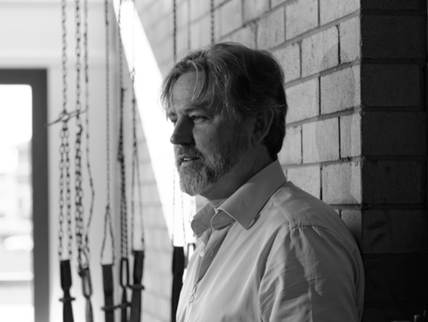
Michael Lavery
Director | m3architecture
Michael is a 25-year director of m3architecture. His focus is on all aspects of work which effect the public realm including urban design, public and cultural projects, education, and independent design research. Michael’s projects have received a variety of awards, across a number of typologies. Awards include AIA national awards for Public Architecture, an AIA national named award for Heritage Architecture, named State Awards for Interior Architecture, Public Architecture and Urban Design, and an Australian Urban Design Award. Michael’s public advocacy includes roles on advisory panels for groups such as the Queensland State Government, Moreton Bay Regional Council, The University of Queensland, and the Queensland University of Technology. Michael is a past President of the Queensland Chapter of the Australian institute of Architects (2020-2022), and a past AIA State Awards jury chair (2016).

Photographed: Natasha Mulhall
Peta Heffernan
Co-Director | LIMINAL Studio
Peta is a co-founding director of LIMINAL Studio, a creatively agile, bespoke architecture and design practice established in 2011. She has led international and local teams across performing arts, community, education, cultural, tourism, art and wellbeing projects of all scales and typologies as well as strategic planning and master planning.
Peta's approach centres on the development and advancement of quality, inventive and inclusive environments. Integral to this is curating partnerships that foster idea generation and creative problem solving, enabling a collaborative exchange that unites and delivers unexpected and innovative outcomes. Through her contribution to architecture, design and place, Peta ensures an authentic identity and enduring legacy are embedded, and that environments meaningfully support and enhance their purpose.
Operating across the identities of LIMINAL Architecture, Spaces, Objects, Ideation and more recently Country, LIMINAL’s work spans architecture, interiors, scenography, furniture, design thinking and object design at all scales, underpinned by a deep connection to Country.
LEARNING OUTCOMES
- Develop an understanding of the purpose and application of the key documents that comprise a heritage conservation toolkit.
- Recognise the role of statutory statements of significance in identifying and protecting the heritage values of a place.
- Gain an appreciation of how Conservation Management Plans (CMPs) guide decision-making and inform the conservation of heritage significance.
- Improve understanding of self-assessment processes and their application within heritage planning and approvals.
- Understand the role of Interpretation Strategies in communicating the historical, cultural, and social significance of heritage places.
- Appreciate the importance of integrating heritage considerations early in the design process to achieve conservation outcomes while meeting project objectives.
- Knowing how to interpret the advice from Heritage authorities, along with working involvement alongside early in the design process.
- Understanding how HIA reports can be prepared to create engaging and meaningful narrative for respectful adaptive reuse projects.
PERFORMANCE CRITERIA
- PC12: Provide independent, culturally responsive and objective advice in accordance with relevant building codes, standards, technical specifications and guidelines, and planning regulations, including climate change implication across all aspects of architectural practice.
- PC25: Be able to draw on knowledge from the history and theory of architecture as part of preliminary design research and when developing the conceptual design.
- PC29: Be able to develop and evaluate design options in terms of the heritage, cultural and community values embodied in the site, and in relation to project requirements.
- PC44: Maintain effective and clear communication in the coordination of relevant consultants, manufacturers and suppliers as required under the terms of engagement.
Investment
Four sessions. Two Formal CPD Points each. Eight Formal CPD Points total.
Members: $435
Non-members: $870
Graduates (within 5 years): $255
Student members: FREE
FAQs
What Do I Do Next?
- You will receive an automated registration email upon purchase. Follow the links in this email to take you directly to the live webinar or to the course page that contains the course information, assessment, live webinar link, recordings (after the live webinar) and certificate. The course page is also accessible under 'My CPD' in your profile when logged into the member portal or by clicking on 'Online CPD' when logged into the member portal Member Home
- You must accept the T&Cs if it is your first time on the online platform and hit “my dashboard” to find your purchased course.
Cancellations and Refunds
Generally, the Institute will not agree to a refund if the request is received less than 14 days before the event starts, unless otherwise stated in the cancellations and refunds policy.