In Harm's Way: Cyclone Resilience - A Holistic Approach
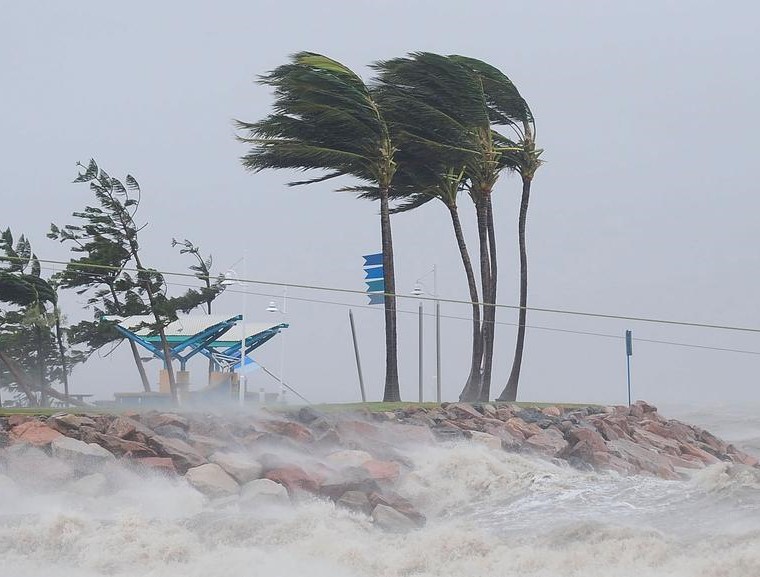
This is the second module of the formal CPD series "In Harm's Way". The series includes three modules: 1. Urban Water and Resilient Cities. 2. Cyclone Resilience - Holistic Approach 3. Heat Resilient Design. Duration of each module - 2 hrs. - 2 Formal CPD points.
Cyclone Resilience - Holistic Approach
2 Formal CPD Points
Available on demand December 2024
Overview
Climate change affects the frequency and intensity of tropical cyclones and storms. Current scientific predictions indicate that tropical cyclones are likely to become less frequent. However, a more significant proportion of cyclones are projected to be highly intense over the coming decades and deliver more intense rainfall. Tropical cyclones in Queensland, Western Australia and the Northen Territory caused devastating damage to the built environment and communities. Community resilience to tropical cyclones can be strengthened by improving new homes' design and construction quality, retrofitting existing buildings and adaptive governance. This session explores a topic from a holistic perspective, incorporating insights gained from environmental science and scientific modelling of cyclones impact, architecture and disaster waste management.
Note: This is the second module of the formal CPD series "In Harm's Way".
Series of Formal CPDs: In Harm's Way
3 modules, 6 formal CPD Points in total.
All modules will be available on demand.
This series provides insight into the synergetic relationship between environmental science and resilient design. Three interrelated modules are focused on urban resilience, adaptation to climate change and strategic risk management considering urban water and water-sensitive design, tropical cyclones and extreme heat.
Each module provides (1) a scientific explanation of exposure and risks associated with regional extreme weather events; (2) a discussion of the role of adaptive governance in increasing the resilience of the built environments and communities; (3) a critical evaluation of the resilient design principles in diverse urban contexts.
Learning Outcomes
On completion of this course, participants should be able to:
- Improve understanding of the nature and cumulative impacts of tropical cyclones on urban environment.
- Identify the advantage of integrated design and collaboration among architects, environmental scientists and urban planners in preparing for increasingly sever cyclonic conditions.
- Understand the National Construction Code (NCC) requirements for designing buildings in cyclone-prone areas, focusing on structural design, roof cladding, testing and compliance, as well as additional requirements.
- Evaluate strategies for retrofitting existing buildings to enhance cyclone resilience.
- Gain a better understanding of the role of pre-planned disaster waste management in strengthening community resilience.
- Apply a holistic approach to designing building in cyclone-prone areas that incorporates various strategies to ensure safety, durability, and aesthetic, ultimately enhancing the quality of life for occupants.
- Understand the impacts of disasters on communities and the strategies for recovery.
NSCA 2021 Performance Criteria
This course will deliver outcomes related to the following Competencies from the 2021 National Standard of Competency for Architects:
PRACTICE MANAGEMENT AND PROFESSIONAL CONDUCT
PC 3 Apply principles of project planning, considering implication for Country, environmental sustainability, communities, stakeholders and project costs.
PC 12 Provide independent, culturally responsive and objective advice in accordance with relevant building codes, standards, technical specifications and guidelines, and planning regulations, including climate change implications, across all aspects of architectural practice.
PC 16 Be able to apply risk management and mitigation strategies - including safety in design, project risk, requirements for resilience from the impacts of climate change and appropriate insurances - across architectural services.
PROJECT INITIATION AND CONCEPTUAL DESIGN
PC 18 Be able to apply creative imagination, design precedents, research, emergent knowledge and critical evaluation in formulating and refining conceptual design options, including the exploration of three-dimensional forms and spatial quality.
PC 26 Be able to undertake site, cultural and contextual analysis as part of preliminary design research.
PC 28 Be able to draw on knowledge from building science and technology, environmental science and behavioural and social science as part of preliminary design research and when developing the conceptual design to optimise the performance of the project.
PC 30 Be able to explore options for sitting a project, including integration of information and analysis of relevant cultural, social and economic factors.
PC 31 Be able to identify, analyse and integrate information relevant to environmental sustainability - such as energy and water consumption, resources depletion, waste, embodied carbon and carbon emissions - over the lifecycle of a project.
PC 33 Be able to investigate, coordinate and integrate environmental systems - including water, thermal, lighting and acoustics - in response to consultants' advice.
Topic 1. CYCLONE RESILIENCE OF BUILDINGS?
Dr David Henderson explains the impacts of climate change on tropical cyclones, including their occurrence, intensity and environmental effects. The key points of his presentation are as follows: (1) Changes in building codes (NCC and Standards) focused on enhancing the robustness of buildings in cyclone-prone areas to safeguard occupants, prevent the loss of amenities, and protect neighbouring properties; (2) Strategic retrofitting of homes for cyclone resilience and reductions in insurance premium; (3) Important design considerations aimed at reducing damage and promoting resilience.

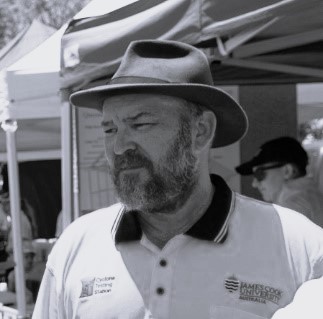
SPEAKER - DR DAVID HENDERSON
CHIEF ENGINEER, CYCLONE TESTING STATION, JAMES COOK UNIVERSITY
David Henderson is the Chief Engineer of the Cyclone Testing Station (CTS) at James Cook University. David started at CTS 30 years ago. He has broken everything from roofing screws to complete houses. David has conducted post-disaster damage investigations in Australia and overseas. He has developed vulnerability models for residential and commercial buildings. David is involved in the Australian Standards Committee for wind loads on housing as well as Standards for the Design, Testing and Installation of various building materials and elements.
Topic 2 - 1% CYCLONIC ...99% PARADISE. OUR DESIGN JOURNEY UP AND DOWN THE COAST OF CENTRAL QUEENSLAND
Colin Strydom describes the challenges associated with architectural design for cyclone-prone areas in Central Queensland. He reflects on how traditional local knowledge can provide valuable insights for creating a resilient and holistic design. Further, he presents a comprehensive case study of the "100 Acres View" house, which is designed specifically for a site at risk of both cyclones and bushfires.
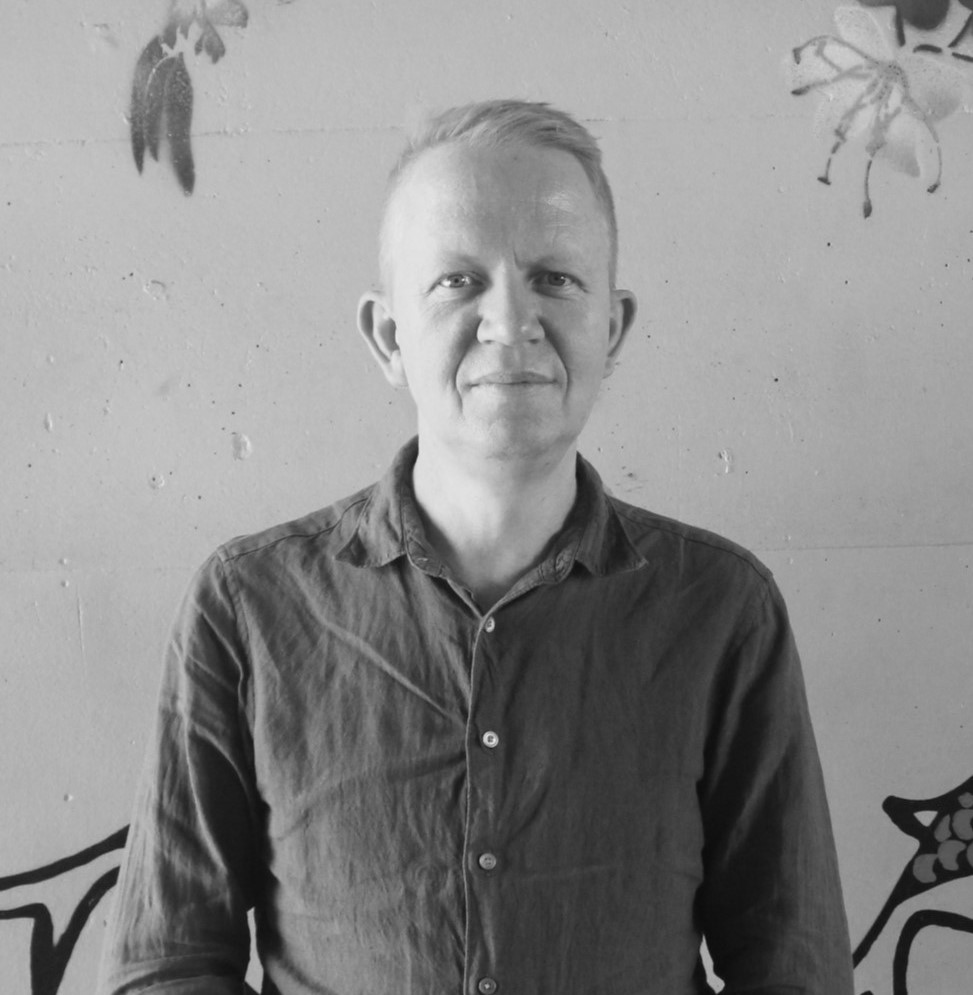
SPEAKER - COLIN STRYDOM RAIA
DIRECTOR DESIGN + ARCHITECTURE
Design + Architecture is deeply rooted in the vibrant landscape of South Africa, where founder Colin Strydom's formative years shaped the firm's ethos. Colin established Design + Architecture in Rockhampton in 2013, driven by a vision for more flexible and innovative design solutions. Since its inception, the firm has flourished into a leading consultancy with a strong presence in the CBD, boasting a diverse client base. Colin is active part in the Central Queensland committee, striving to enhance and improve the local footprint and built environment through sustainable alternatives, modular and multi-use design, and design for disability. With a client-centric approach and a focus on innovation, Design + Architecture offers a comprehensive range of services. Colin's leadership ensures that each project is executed with excellence and creativity, reflecting the firm's dedication to delivering outstanding results that positively impact clients and communities. Colin is a Chair of the Central Queensland Region within the Queensland Chapter.
Topic 3 - DEALING WITH CYCLONES FROM AN ARCHITECTURE PERSPECTIVE. NE ARCHITECTURE METHODOLYGY.
In this presentation, Nicole describes the design methodology employed by NE Architecture for residential projects in Far North Queensland. Some key methods, backed by extensive practical experience, include: (1) An integrated design approach that promotes close collaboration between the architect, client, and engineer from the earlier stages of design. This ensures a balance between aesthetic and functional considerations, along with structural integrity, safety and resilience. (2) Educating clients about cyclonic conditions and the requirements for ensuring building stability. This includes explaining the cost-benefits of incorporating cyclone-resilient elements in the structure and design.
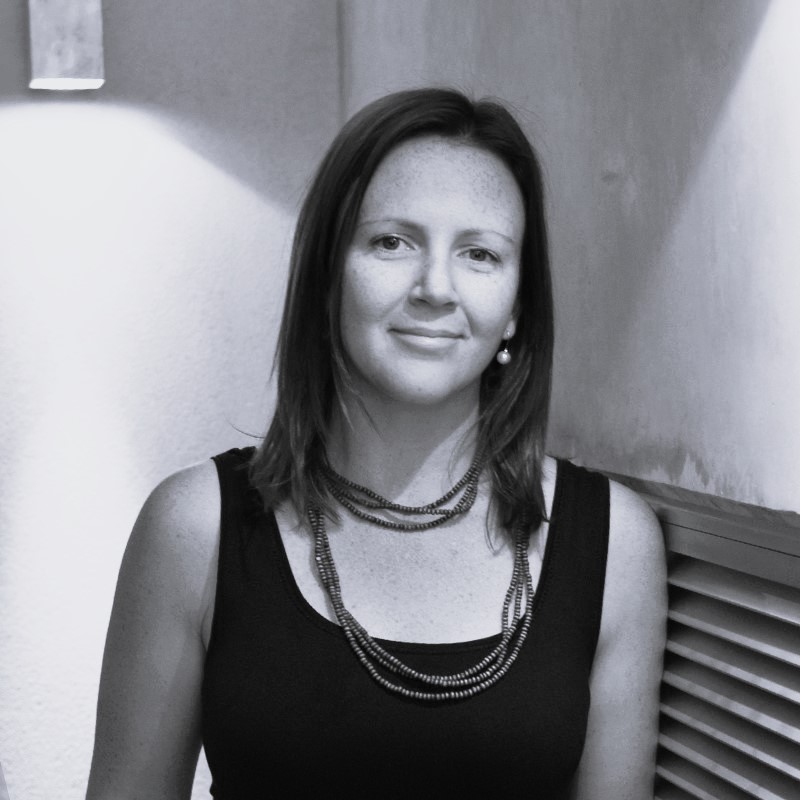
SPEAKER - NICOLE EWING RAIA
DIRECTOR, NE ARCHITECTURE
Nicole is a registered architect whose work experience is grounded predominantly in tropical and regional environments. Nicole gained as a Register Architect in July 2007 and plays an active role in the local architectural representative body. From 2011 to 2014 she was the FNQ Regional Secretary, championing architecture and supporting members in the region. She has participated as a FNQ regional juror for the RAIA Awards scheme on three occasions, most recently in 2023, where she was the local chair. in addition, she has been actively involved in creating both CPD opportunities for members and publicity through publications and events for the local profession.
In September 2013, Nicole formed the architecture firm NE Architecture (NEA), directly becoming as A+ Practice of the RAIA. Nicole has extensive experience in consultation process and has worked effectively in a diverse range of procurement models, from D7C to traditional architectural roles, including project management. She is also accomplished in the final detailing and consultations required for complex commercial, educational and residential projects.
Ecologically, Nicole has brought to NEA an "on the ground" knowledge of climatically appropriate design for the tropics, including sustainable construction typologies and the associated building maintenance system. Nicole is invested in the Cairns region and actively promote the value of well-designed public and educational spaces and infrastructure build a community.
Topic 4 - PLANNING FOR WASTE FROM DISASTER.
Dr Deepika Mathur explains the importance of pre-planning for disaster and cyclone waste management to improve community resilience and facilitate relief and reconstruction efforts. She highlights the environmental and economic benefits of sorting disaster and cyclone waste, as well as the opportunities for recycling and promoting sustainable practices.
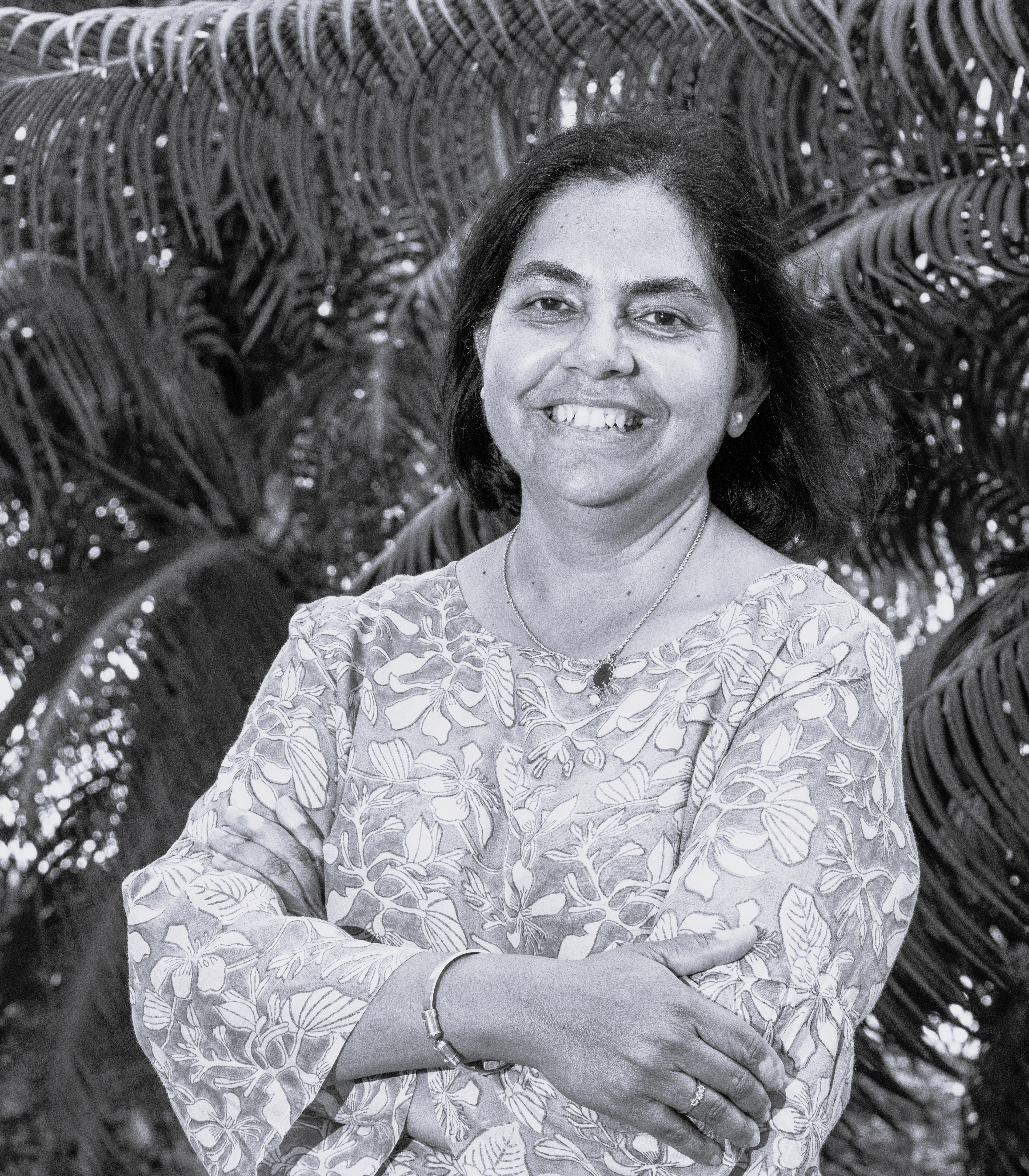
SPEAKER - DR DEEPIKA MATHUR
SENIOUR RESEARCHER FELLOW, NORTHEN INSTITUTE, CHARLES DARVIN UNIVERSITY
Dr Deepika Mathur is a Senior Research Fellow at the Charles Darwin University's Nothern Institute and is based at the Alice Spring campus. She earned her PhD in Sustainable Architecture from University of Melbourne. She has undertaken several research projects on waste management in regional, remote and very remote areas across the Northen Territory. She has also worked on multi stakeholder's research funded by the Commonwealth Government and the Northen Territory Government. Dr Mathur has published her research in peer review journals. She has presented her research in both academic and industry conferences within Australia and internationally.
Topic 5 - A Panel Discussion. Disaster recovery and community building.
This discussion, led by Steven Clarke, focuses on proactive planning and community engagement, and prompt action to mitigate the effects of natural disasters and built resilient communities. Key points included:
- Identifying relocation sites and engaging communities in pre-disaster planning.
- Centering the recovery process around community needs.
- Developing efficient strategies for land acquisition for relocation.
- Fostering strong leadership for efficient recovery.
- Addressing mental health needs by ensuring access to secure housing and support service.
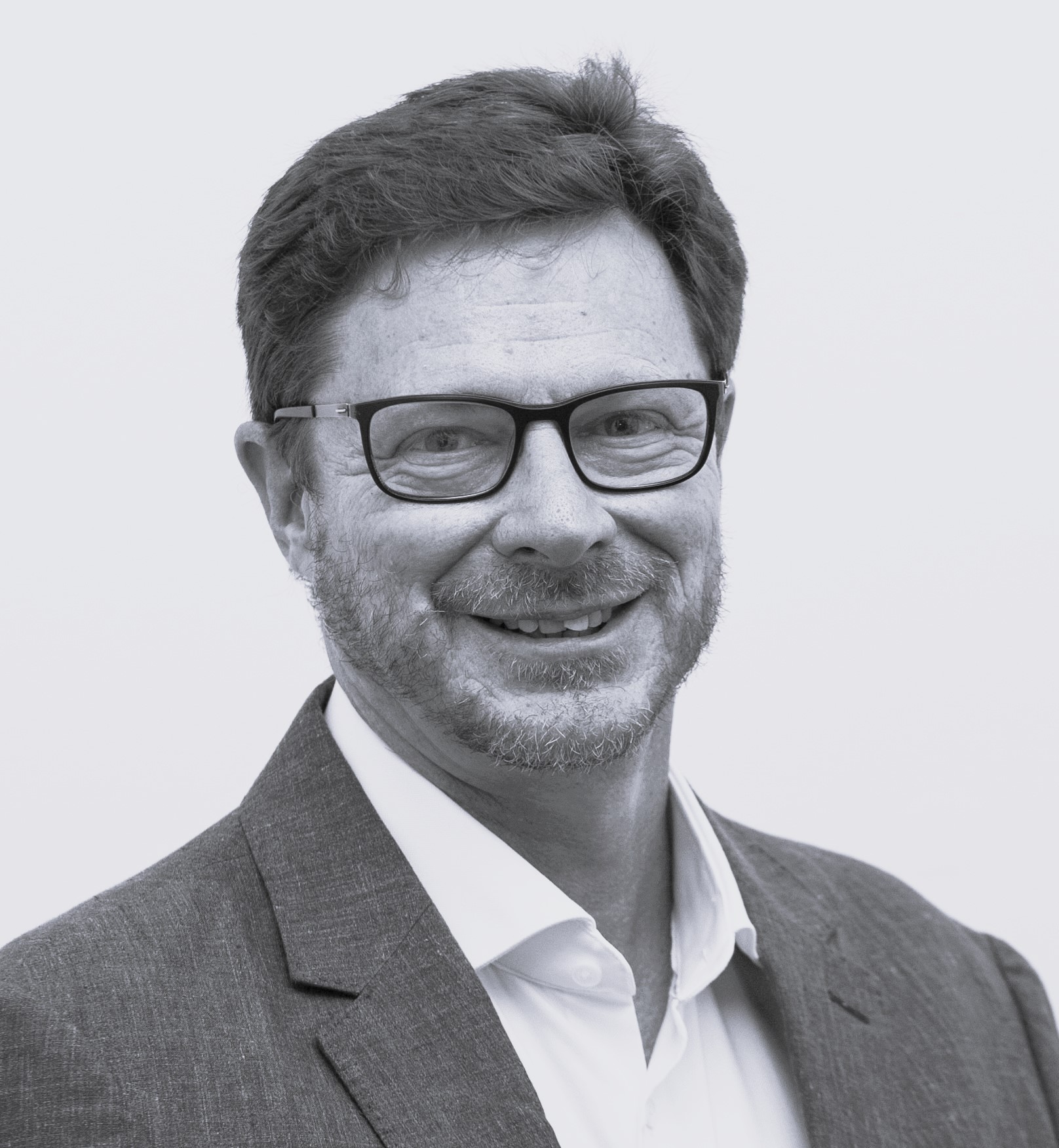
A PANEL MODERATOR - STEVE CLARK
MANAGING DIRECTOR, WATER TECHNOLOGY
Steve has 25 years of experience as a specialist in the water resources and coastal engineering fields, specialising in flood risk and flood risk management. He has an Honour Degree in Engineering and a Master of Engineering Science from the University of Queensland. Steve is one of the founding Directors of Water Technology PTY and was appointed Managing Director in July 2019. Steve has specialised in the provision of flood warning, waterway and floodplain and coastal risk management services, in addition to infrastructure investigation, particularly from a perspective of ongoing climate change processes. Frequently, these services have utilised advanced hydrodynamic modelling systems to characterise risk and vulnerability throughout Queensland, Australia, and the broader Asian/Pacific region.
As part of the Australian Government's commitment to Disaster response through the Australian Civilian Corts, Steve completed a deployment to Samoa to assist in recovery and reconstruction (with an emphasis on flood and floodplain risk management to key infrastructure) following Tropical Cyclone Evan.
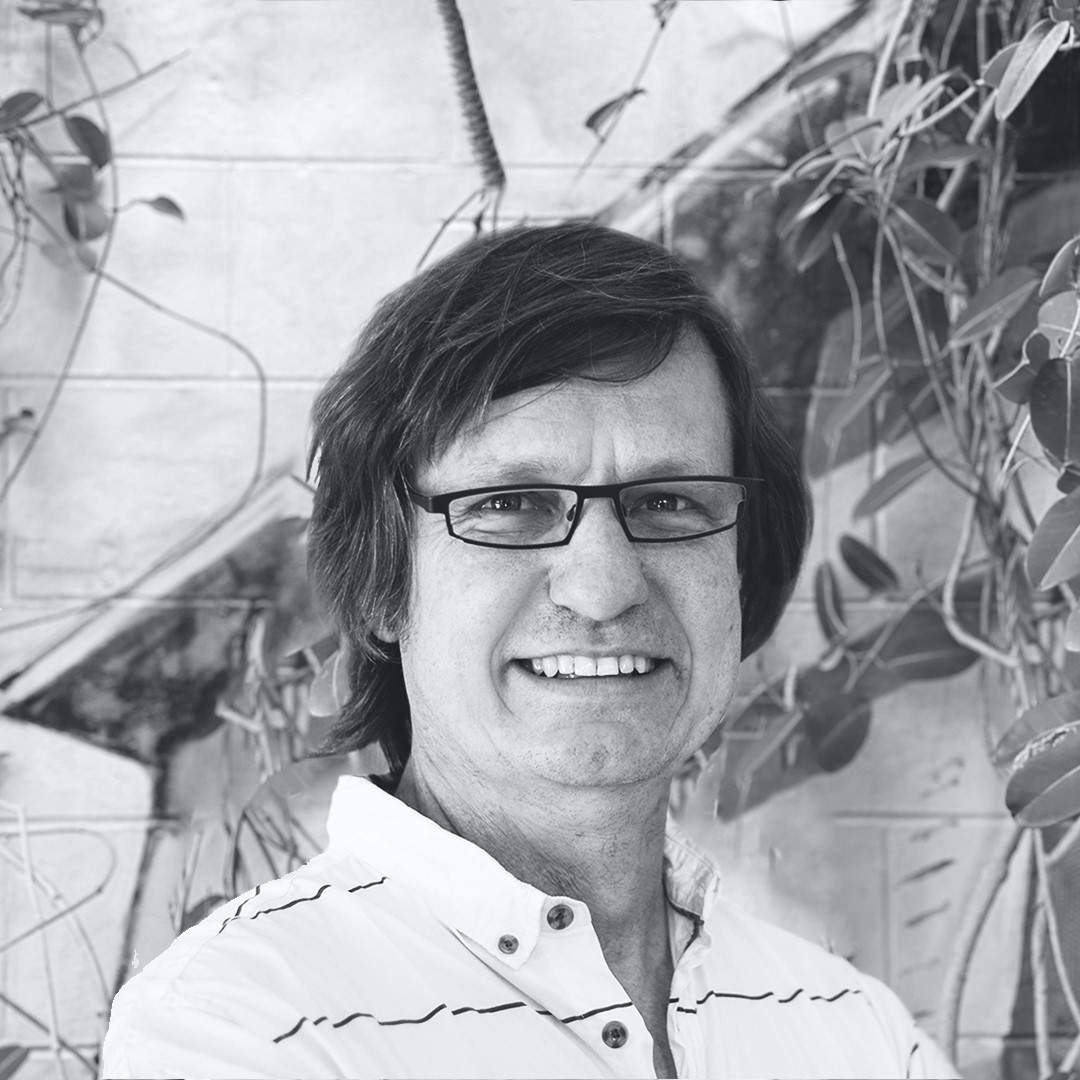
SPEAKER - CAMERON DAVIES FRAIA
PRACTICE PARTNER, DEICKE RICHARDS
Cameron is an urban designer and architect with a unique understanding of places, communities and structures. Since 1995, he has designed and directed significant greenfield and urban regeneration design projects across Queensland. As an architect, Cameron has
designed myriad community, education and housing projects; he is currently working on hubs at Eagleby Wetlands, Mirani, Moranbah and Yarrabilba. With highly developed visual communication skills, Cameron is an expert Enquiry by Design facilitator. He uses these skills to meaningfully engage stakeholders in the design process.

SPEAKER - JAMIE SIMMONDS
MANAGING DIRECTOR, BTS CONSULTING SERVICES
Jamie Simmonds, an internationally renowned expert in the field of managed retreat and community relocation, grew up in the United States and has lived in Brisbane for over 20 years.
Jamie directed the relocation of Grantham, an Australian town left devastated by catastrophic flash flooding in 2011, which saw families in new homes within 12 months.
In 2020, Jamie documented the story in his book about the Grantham experience to show the benefits and challenges associated with community relocation and disaster recovery. He continues to work closely with disaster affected communities, including the Northern Rivers region of New South Wales, to help people understand how to rebuild communities in a safer and more resilient manner in a changing climate.
Price
FORMAL CPD:
Non Members $148
Members $98
What Do I Do Next?
1. This CPD is available on-demand (this is not a live webinar).
2. You will receive an automated registration email upon purchase. Follow the link in this email to take you to the course material on our online CPD platform.
3. Accept the T&Cs if it is your first time on the online platform, and hit “my dashboard” to find your purchased course.
4. Undertake your course at your own pace.
5. Once you have completed all the course material, you will be prompted to complete your assessment, after which your formal CPD certificate will be made available